• [Korea’s Liberation Day Special] Seoul’s ‘Hidden’ Stories: A Journey to Discover History

    While I usually only write about places I’ve personally visited, today is a very special occasion. This year marks the 80th anniversary of Korea’s Liberation Day (광복절), and it felt important to share a different kind of guide. As you can imagine, I love the historical sights of Seoul—the way ancient palaces stand proudly amidst modern skyscrapers. This unique blend is what makes the city so attractive. Today, however, I wanted to go beyond just the beautiful scenery and focus on the profound history behind it all, to honor the stories that brought about this day.

    Before we begin, a quick note on the history. You might hear people use the words “colonialism” and “imperialism” interchangeably, but here’s the difference: “imperialism” is the big picture strategy of building an empire, while “colonialism” is the specific act of a foreign power taking direct control of a territory. Japan’s rule over Korea was a clear case of both, and a significant period in our shared history.


    1. Independence Gate (독립문): The Paradox of a Nation’s Freedom
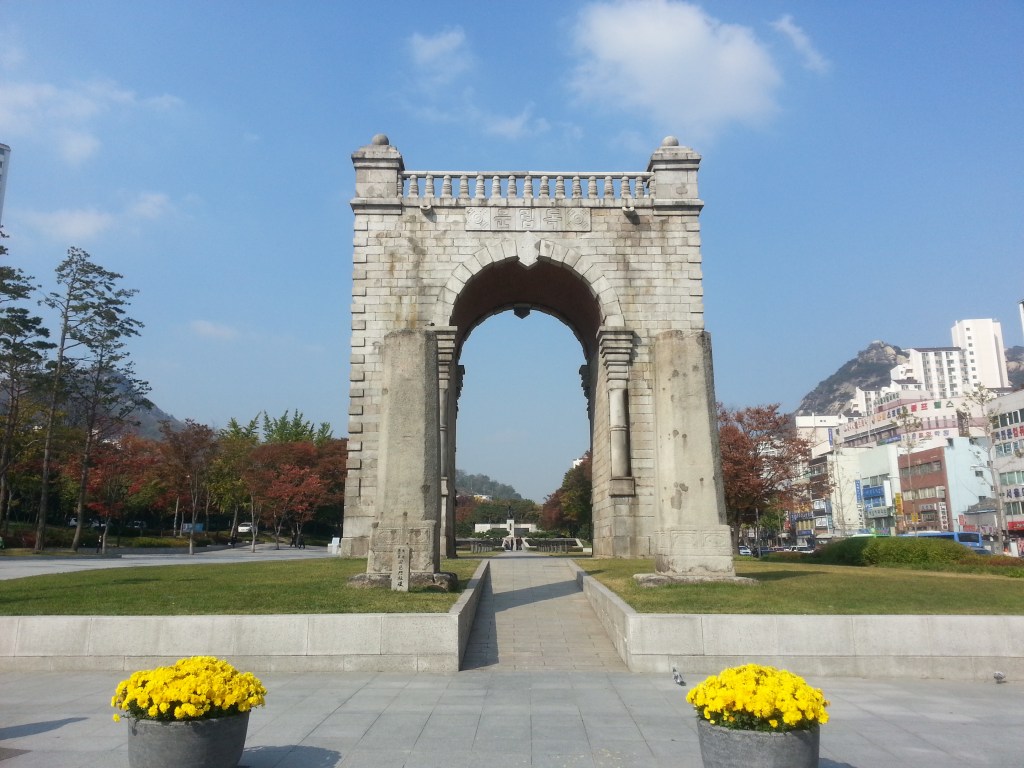
    Independence Gate, a historic monument in Seoul, stands tall with a clear blue sky above and vibrant autumn foliage in the background. Yellow chrysanthemums are planted in stone pots in the foreground, adding color to the serene park setting.
    Independence Gate in Seoul (Source: Korea Heritage Service)
    • The ‘Secret’ History: The Independence Gate was built in 1897 to proclaim Korea’s sovereignty by severing its long-standing tributary relationship with China. This made it a paradox during Japanese rule: while Japan systematically destroyed so much of Korea’s heritage (like the royal buildings at Gyeongbokgung and Changgyeonggung), they allowed the Independence Gate to stand. This wasn’t an act of respect, but a calculated move. Japan wanted to ensure Korea’s complete independence from China so it could more easily assert its own power and control over the peninsula. The gate, a symbol of freedom from one power, was kept as a tool to aid the conquest by another.
    • Visitor Information:
      • Address: 서울특별시 서대문구 현저동 941 | Google Maps
        • Nearest Subway Station: Dongnimmun Station (Line 3) – Exit 4
      • Important Tips: As a public monument in a park, there is no admission fee or specific visiting hours. It’s a great place to begin your tour of the area, as it’s located directly between Seodaemun Prison History Hall and the National Memorial of the Korean Provisional Government (KPG).

    2. Seodaemun Prison History Hall: A Record Written in Blood and Tears

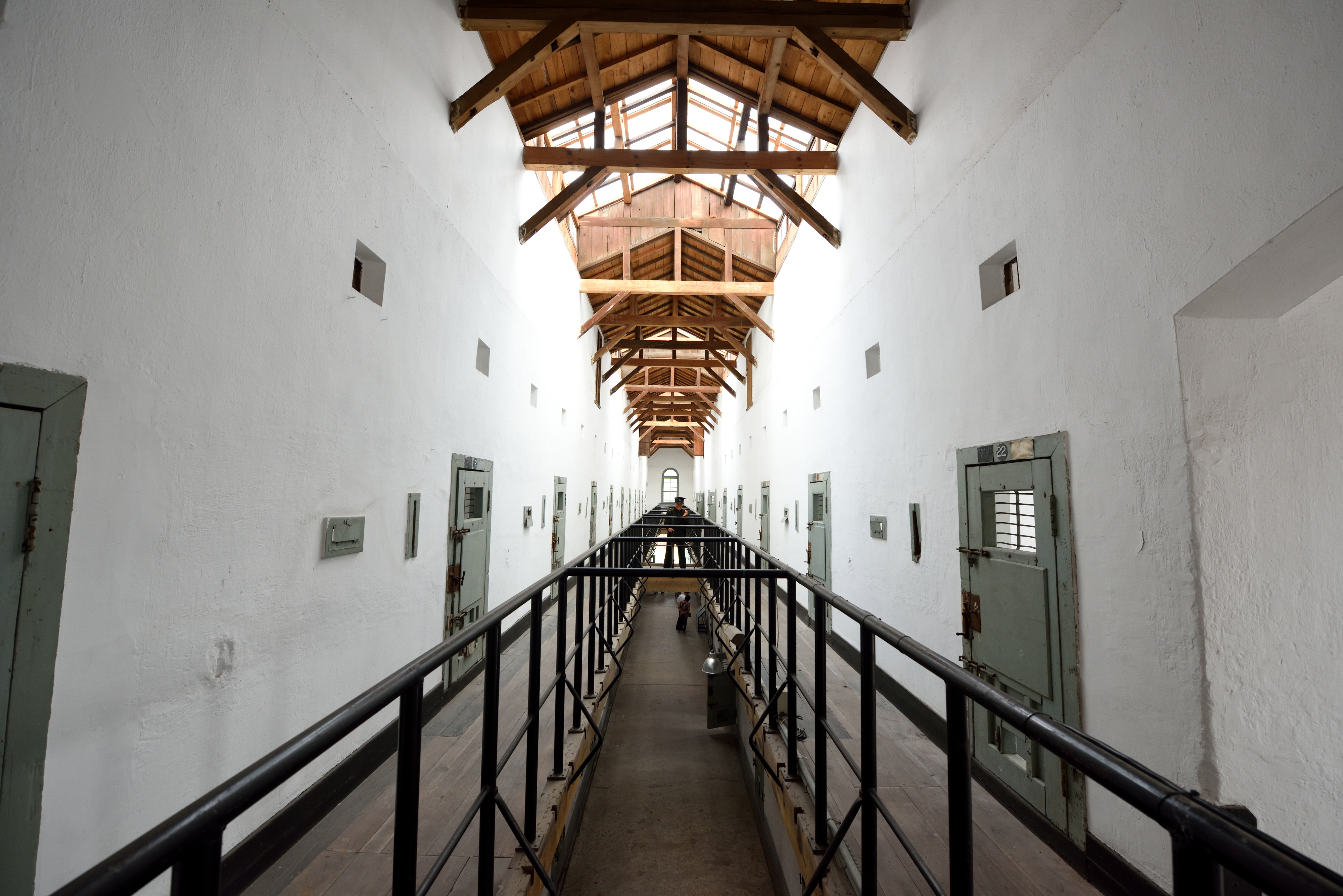
    • The ‘Secret’ History: This is not just a prison; it’s a monument to suffering and sacrifice. Built by the Japanese to suppress independence fighters, the prison saw unimaginable atrocities. You can see the solitary confinement cells designed to break the spirits of prisoners and the grim ‘execution facility’ with a secret passage for disposing of bodies. It’s a truly powerful place that makes you feel the weight of history.
    • Visitor Information:
      • Address: 서울특별시 서대문구 통일로 251 | Google Maps
        • Nearest Subway Station: Dongnimmun Station (Line 3) – Exit 5
      • Official Website: https://sphh.sscmc.or.kr/_eng/
      • Important Tips: The museum is closed on Mondays. The exhibits include powerful videos and recreations of the torture cells, so allow plenty of time to explore everything.

    3. National Memorial of the Korean Provisional Government: The Journey of a Government in Exile
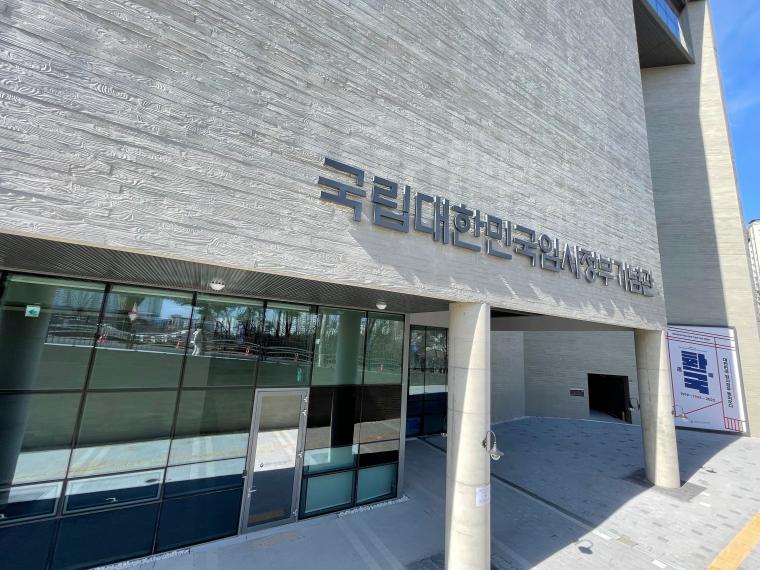
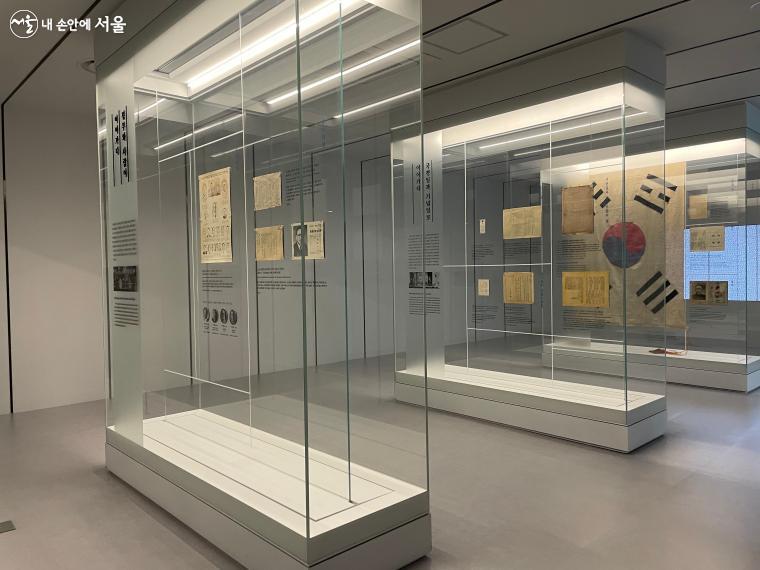
    • The ‘Secret’ History: Following the March 1st Movement of 1919, the Korean Provisional Government (KPG) was established in Shanghai to show the world the Korean people’s determination for independence. This museum is a testament to the KPG’s 27-year struggle abroad, a beacon of hope and a symbol that a Korean state continued to exist in the minds of its people even without a physical home.
    • Visitor Information:
      • Address: 서울특별시 서대문구 통일로 279-24 | Google Maps
        • Nearest Subway Station: Dongnimmun Station (Line 3) – Exit 5
      • Official Website: https://www.nmkpg.go.kr/en
      • Important Tips: Admission is free. If you want a deeper understanding, check the website for information on guided tours.

    After visiting these solemn sites, consider a reflective walk up nearby Inwangsan Mountain. The trail offers a serene escape and a breathtaking panoramic view of Seoul. Following a day of remembering Korea’s painful history of resistance, the journey up the mountain can be a symbolic way to look toward a hopeful future. For more details on the trail, check out my recent post here: link to the post.

    4. Deoksugung’s Dondeokjeon Hall: A Story of Destruction and Rebirth

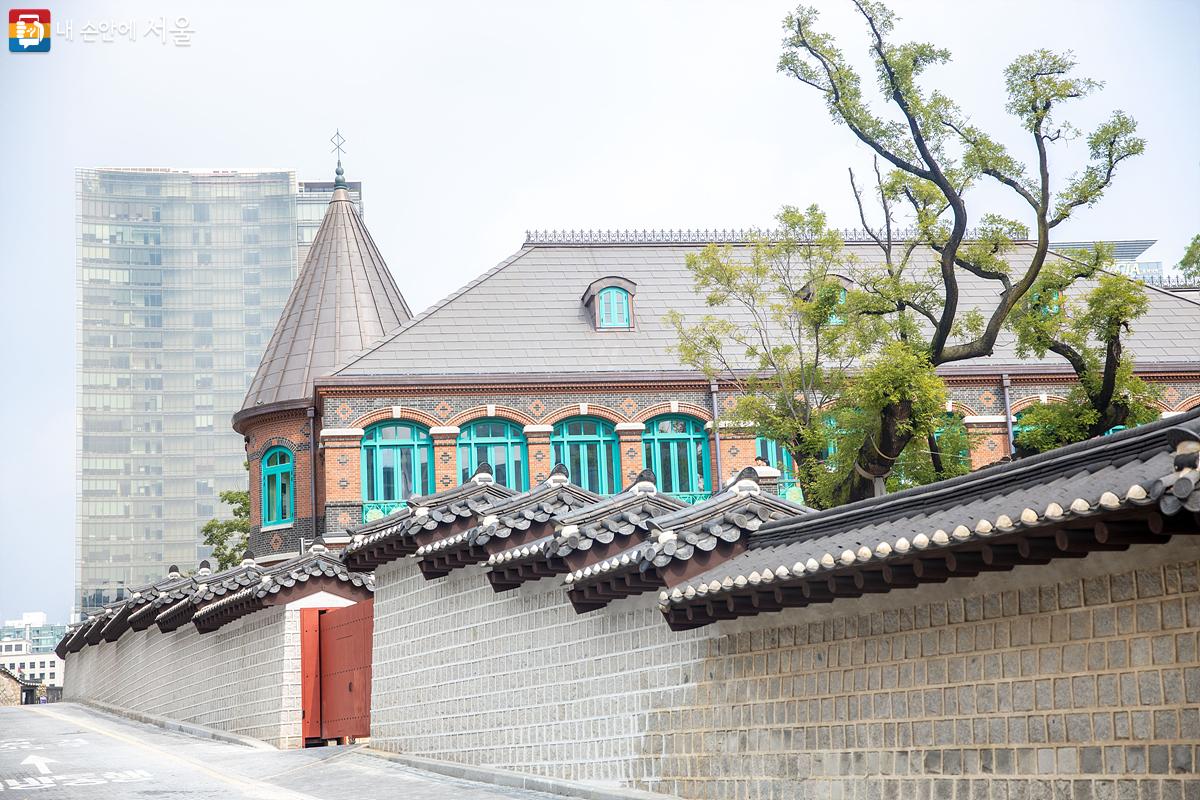
    • The ‘Secret’ History: Today, Dondeokjeon stands as a symbol of resilience. But this beautiful, Western-style reception hall was destroyed by the Japanese after they forced Emperor Gojong to abdicate. After a century, it was rebuilt and reopened to the public in 2023. This palace is particularly unique because it’s home to a fascinating blend of traditional Korean and Western-style buildings, many of which were built during the Japanese colonial period. While their construction is tied to a complex history, they now serve new, positive purposes as art museums and exhibition halls, inviting visitors to contemplate the full, complex legacy of the era. The story of Dondeokjeon’s demolition and subsequent resurrection, alongside these other buildings, makes it a powerful symbol of reclaiming history.
    • Visitor Information:

    5. Changgyeonggung Palace: A Palace Reclaimed from a ‘Zoo’

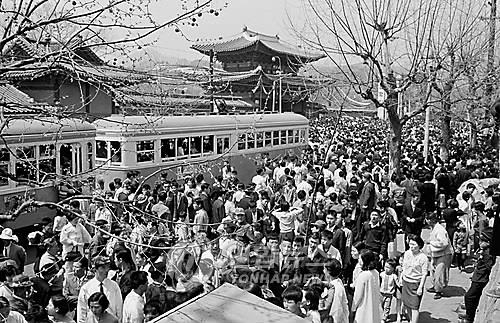
    • Changgyeonggung Zoo in Japanese Colonial Period
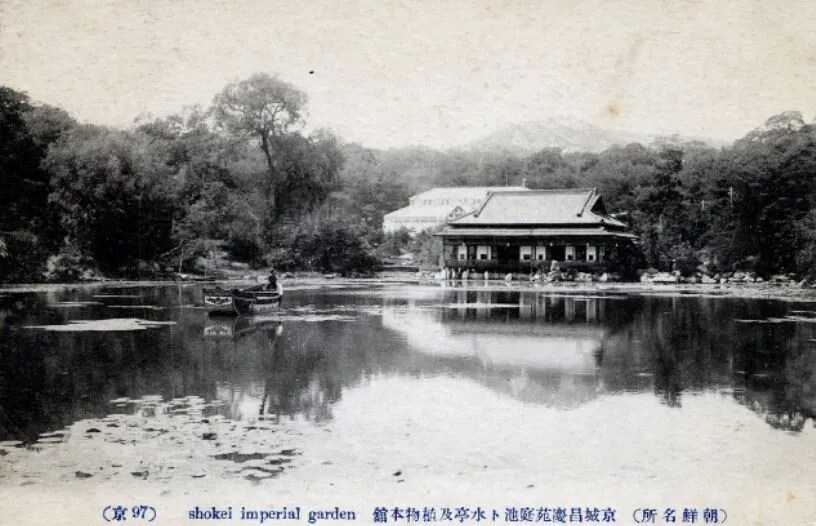
    • The ‘Secret’ History: Today, Changgyeonggung has been beautifully restored as a palace. But during the colonial period, the Japanese deliberately desecrated this royal residence. They tore down its royal buildings to create a zoo and a botanical garden, renaming it ‘Changgyeongwon’ to strip it of its dignity. It was a psychological and symbolic act to turn a sacred place into a spectacle. The zoo was eventually removed, but the beautiful Grand Greenhouse built during that time still stands today, a permanent reminder of that complicated era. The palace you see today is a result of decades of effort to return it to its original, rightful identity.
    • Visitor Information:
      • Address: 서울특별시 종로구 창경궁로 185
        • Nearest Subway Station: Hyehwa Station (Line 4) – Exit 4, 15-min walk from the station.
      • Official Website: https://royal.khs.go.kr/ENG/contents/E103010000.do
      • Important Tips: The palace is closed on Mondays. Visiting during the evening hours when it’s lit up is a truly breathtaking experience.

    6. Gyeongbokgung Palace: Reclaiming the Nation’s Heart

    • The ‘Secret’ History: Gyeongbokgung, the main palace of the Joseon Dynasty, was deliberately defaced by the Japanese. They tore down its main gate and key buildings to erect a massive, imposing Japanese Government-General Building directly in front of the palace. This was a direct assault on the nation’s spirit. On the 50th anniversary of Liberation, the building was finally demolished in a public, emotional event, and Gyeongbokgung was restored to its rightful form.
    • Visitor Information:
      • Address: 서울특별시 종로구 사직로 161
        • Nearest Subway Station: Gyeongbokgung Station (Line 3) – Exit 5 / Gwanghwamun Station (Line 5) – Exit 2
      • Official Website: https://royal.khs.go.kr/ENG/contents/E101010000.do
      • Important Tips: The palace is closed on Tuesdays. You can get free admission if you wear a traditional Korean hanbok. Be sure to catch the Royal Guard Changing Ceremony at the main gate.
    • The Remains of History: While the Government-General Building that once stood in front of Gyeongbokgung was triumphantly demolished in 1995, a few of its pieces were intentionally preserved. Located at the Independence Hall of Korea (독립기념관) in Cheonan (충청남도 천안), its iconic dome and other remnants are not displayed to be honored, but to serve as a stark reminder of a painful past. The dome is buried five meters deep, forcing visitors to look down upon this symbol of colonial oppression—a final, powerful gesture of national victory and a commitment to never forget.

    As you explore Seoul, you’ll see a city that is always moving forward, from the dynamic energy of K-Pop to the cutting-edge technology of its smart cities. But to truly understand Korea’s unique power and resilience, you have to look deeper. The ancient palaces and somber memorials we’ve explored aren’t just relics of the past; they are the very foundations upon which this modern nation was built. They are a physical reminder that its incredible progress was forged from the collective strength of a people who refused to be broken. So when you travel through Seoul, take a moment to look beyond the fun and active surface and feel the power of this moving-forward city—it’s an experience you’ll never forget.
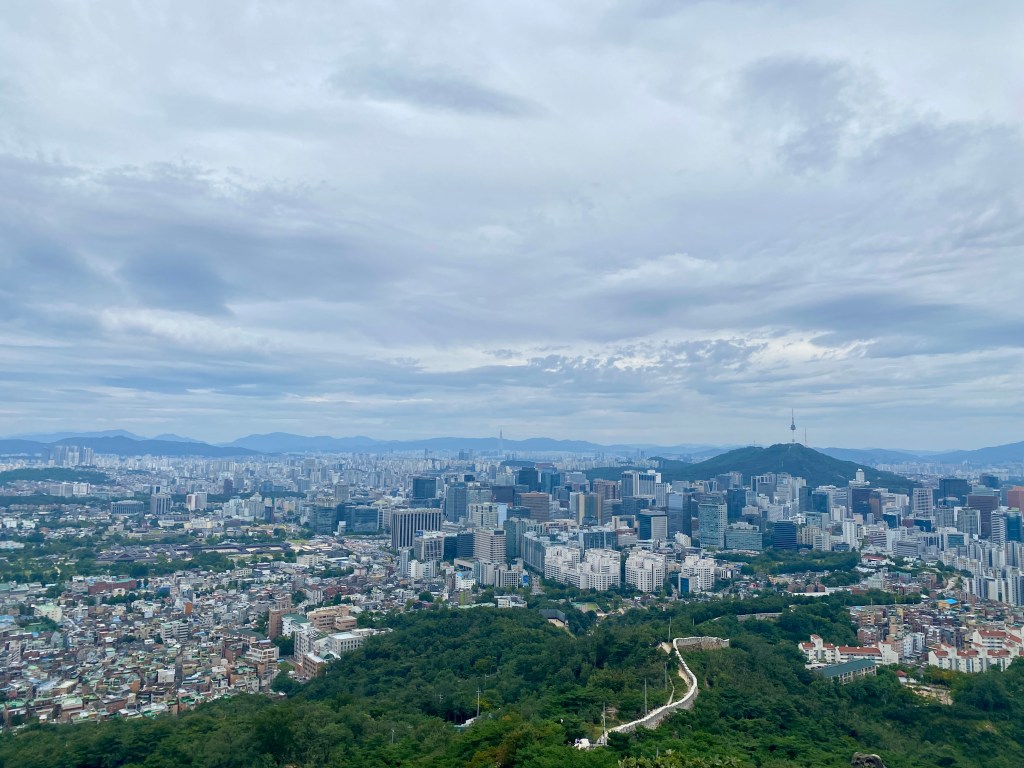
  • Secret Guide to Seoul: Hike Inwangsan (인왕산) Trail for a Breathtaking View of the City

    If you’re visiting Korea this fall (or during any nice weather season), or you have enough time in Seoul to explore beyond the usual sightseeing, shopping, and dining, let me introduce you to one of my favorite secrets: the Inwangsan Trail. This isn’t just a hike; it’s an experience that places you right in the heart of the city’s history and natural beauty.

    Inwangsan is a rocky mountain with one main hiking trail that follows the ancient Seoul City Wall along its ridges. The entire course offers spectacular city views, and at a height of 338.2m, the summit provides an unparalleled 360-degree panorama of Seoul. From the top, you can see everything from the presidential Blue House to the towering skyscrapers of downtown.

    A panoramic view of Seoul from a hiking trail, showcasing both the city skyline and surrounding mountains under a cloudy sky.
    A Spectacular View of Seoul from Inwangsan (인왕산) Hiking Trail

    My favorite course begins at Independence Arch (독립문, Dongnimmun), ascends to the summit via landmarks like Seonbawi Rock and Beombawi Rock, and then descends to Suseongdong Valley (수성동 계곡). On the way down, you’ll pass the Forest Rest Area and Chosochaekbang (초소책방), a unique bookstore that used to be a police post. You’ll find a detailed route on Naver Map here: https://naver.me/xktqehWB.

    Map showing the route of the Inwangsan Trail, starting from Dongnimmun Station and ending at Suseongdong Valley, with marked landmarks and path details.

    I love this route because it directly connects you to the vibrant food and culture scene of Seochon Village (서촌마을) and the famous Tongin Market (통인시장). In Korea, it’s a tradition to finish a good hike with an even better meal—and perhaps a glass of makgeolli (rice wine)!

    Finish Your Hike with a Feast or a Coffee Break

    After your descent into Suseongdong Valley, you’ll find yourself right in Seochon Village, located on the west side of Gyeongbokgung Palace. This area is a perfect blend of history, charming cafes, and fantastic restaurants.

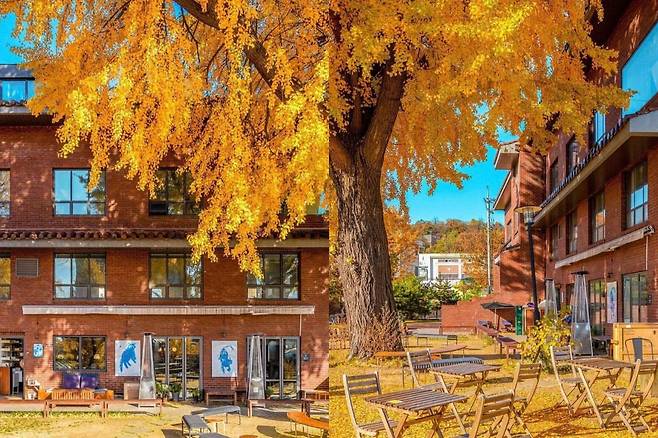
    If you’re in the mood for coffee and dessert, I highly recommend Staff Picks (스태픽스). This cafe features a beautiful outdoor space with a huge old ginkgo tree that creates a unique and peaceful atmosphere.

    A vibrant autumn scene featuring a large ginkgo tree with bright yellow leaves in front of a red brick building. Several outdoor tables and chairs are visible, creating a cozy atmosphere.
    Staff Picks in Autumn (Source: Instagram @staffpicks_official)

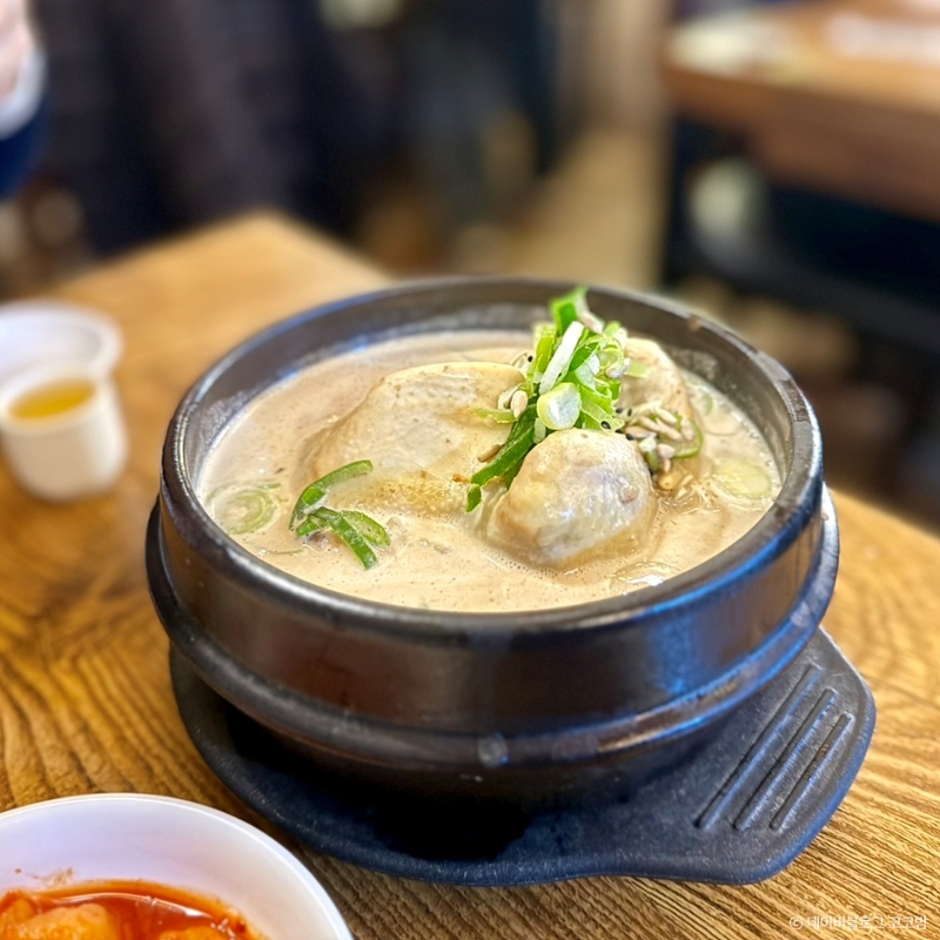
    If you’re in the mood for a more traditional sit-down meal, I recommend Tosokchon Samgyetang (토속촌 삼계탕), a legendary restaurant famous for its ginseng chicken soup. Be prepared for a queue, but the line moves quickly. Another one of my favorite restaurants is Chebudong Janchijib (체부동 잔치집), where you can enjoy Janchi-guksu (잔치국수, feast noodles) and jeon (전, savory pancakes) with a glass of makgeolli.

    Enjoying a spectacular view of Seoul at the summit and ending your hike with delicious Korean comfort food or a relaxing coffee will make for a truly unforgettable day of exploration.

    Who is this spot for? 

    Inwangsan Trail is perfect for those who want a rewarding and accessible outdoor adventure without leaving the city. It’s a great choice for:
    Couples, friends, and solo travelers looking for a memorable half-day activity.
    First-time visitors to Seoul who want to see a unique side of the city’s natural beauty and history.
    Active travelers looking for a moderate hike with incredible photo opportunities.
    Foodies and explorers who want to combine a scenic hike with a deep dive into a vibrant local neighborhood like Seochon.


    ℹ️ Useful Information
    For more information, you can visit the official website for Seoul Tourism Organization, which provides details on hiking and other city trails.
    Pro Tip: Look for the ice cream cart at the summit! Nothing beats enjoying a frozen treat while soaking in the incredible view after a good climb.

    📍Location
    서울특별시 종로구 무악동 산 2-1 | Google Maps
    Start Point: Dongnimmun Station (독립문역), Seoul Subway Line 3 | Google Maps
    End Point: Suseongdong Valley (수성동계곡) | Google Maps

    🥾Recommended Trail Course (About 2 hours to complete)
    Dongnimun Station (독립문역) – Enter the trail next to Muak Childerent’s Park (무악어린이공원) –  Seonbawi Rock (선바위) – Beombawi Rock (범바위) – The Summit (정상) – Forest Rest Area (숲속쉼터) – Chosochaekbang (초소책방) – Suseongdong Valley (수성동 계곡)
    – You can find more detailed route guidance here on Naver Map

  • Why the Movie, K-Pop Demon Hunters, is Selling Out Traditional Korean Art

    From Minhwa to Merch Line: The Resurgence of the Tiger and Magpie

    Why are museum gift shops sold out of traditional paintings of tigers and magpies? The answer seems simple: the merchandise looks almost identical to the art featured in the Netflix movie <K-Pop Demon Hunters>. With fans lining up to get a piece of their favorite movie, it’s clear the 까치와 호랑이 (magpie and tiger) motif is now a pop culture icon. The art, which was originally launched as merchandise in 2024, has recently seen a surge in sales without any specific promotion—a testament to its visual appeal and a fandom’s powerful influence.

    But for those who are buying it, there’s a deeper story waiting to be told. The producers of <K-Pop Demon Hunters> didn’t just stumble upon this beautiful art; they intentionally reinterpreted its ancient wisdom. This blog post is for the fans who love the aesthetic but may not know the rich cultural history behind it.

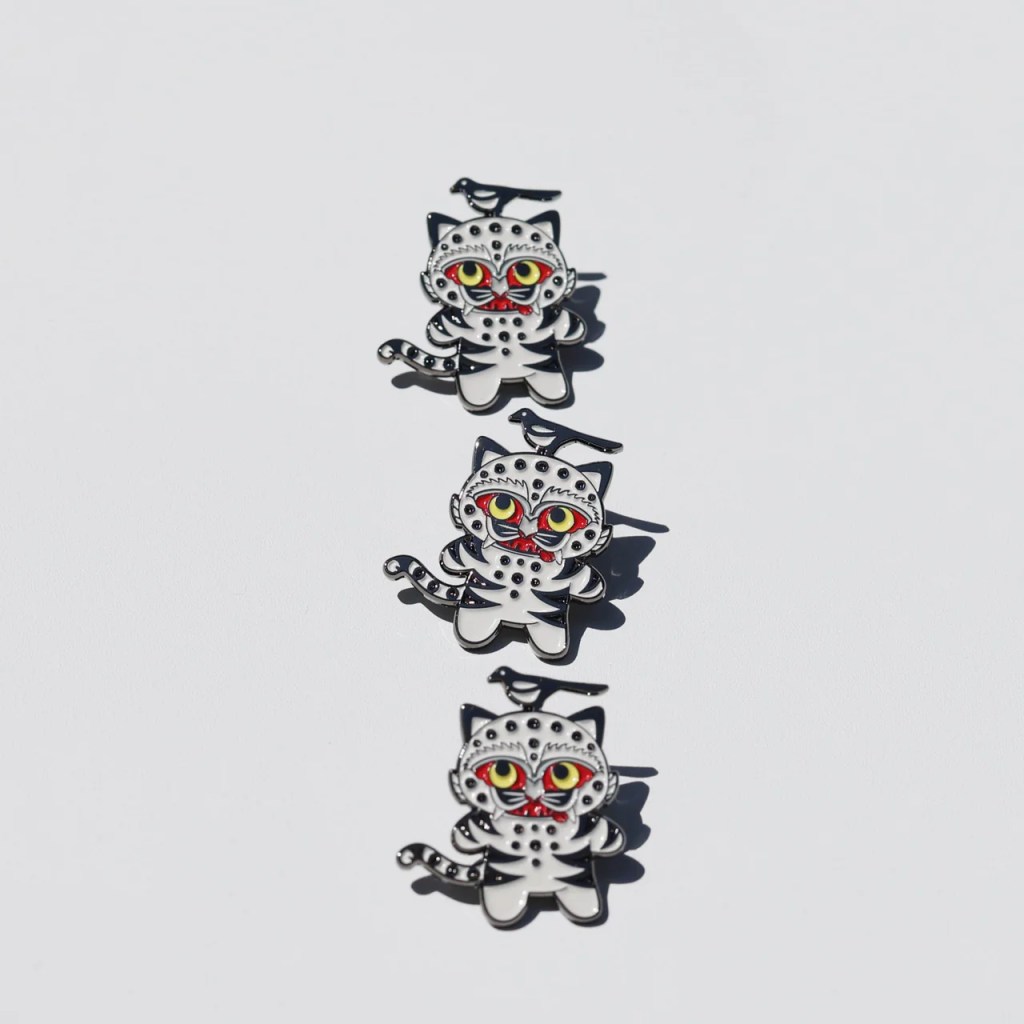
    Three decorative badges featuring a whimsical design of a tiger and a magpie with exaggerated colorful features, set against a white background.
    Tiger and Magpie Badge, MU:DA (National Museum of Korea Goods)

    The Endearing Guardian: A Fun Twist on Fear

    At first glance, the tiger is a fearsome beast. Yet, in these traditional 민화 (Korean folk paintings), the tiger’s face is often comically expressive—not frightening, but goofy and charming. This isn’t an artistic mistake; it’s a brilliant cultural twist.

    These paintings were historically hung on doors and walls at the beginning of the new year, a tradition known as 호축삼재 (Ho-chuk-sam-jae), which means “the tiger dispels the three calamities.” The goal was to ward off evil spirits and bad luck. But who wants a terrifying beast guarding their home? An overly scary tiger might be more frightening than the ghosts it was meant to chase away! The friendly, comical expression made the tiger an endearing and approachable guardian, a comforting force of good rather than a source of fear. It shows a core part of the Korean character: the ability to overcome hardship and fear with humor and warmth.

    The Perfect Couple: A Clever Magpie and a Clueless Tiger

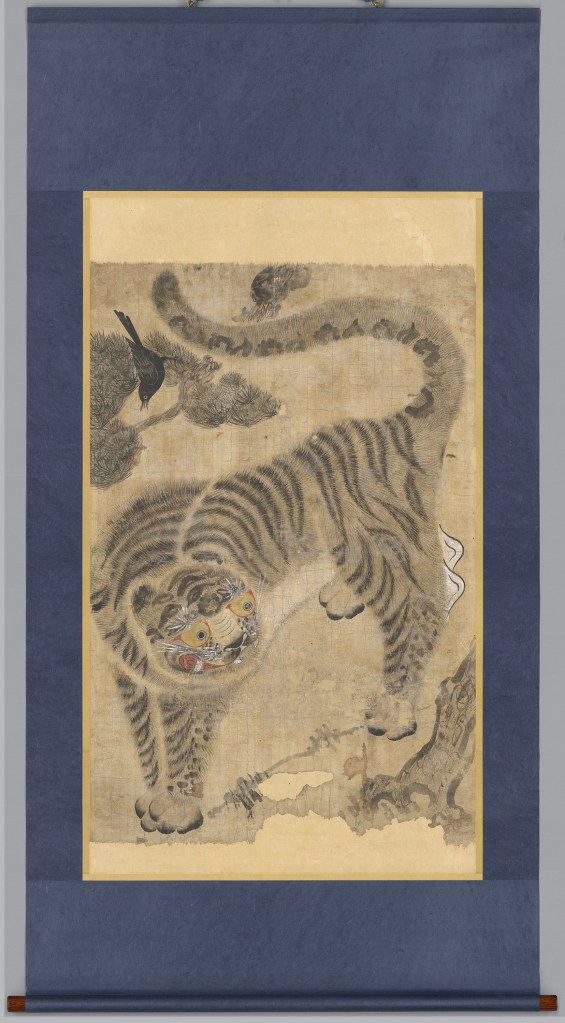
    The relationship between the magpie and the tiger adds an even deeper layer of social commentary. The magpie, or 까치, is traditionally seen as a messenger of good news, while the tiger is a powerful guardian. Yet, in many paintings of Tiger and Magpie, which often called 호작도(Ho-jak-do), the dynamic is far more complex than just a simple protector and herald.

    In one popular interpretation, the magpie represents the 민초 (common people), while the tiger stands in for corrupt government officials who abused their power. The artists cleverly used their brushes to express a subtle form of social protest. The magpie is often painted with a bold, confident posture, while the tiger looks foolish and bumbling, and even a bit silly—as if the magpie is openly mocking the powerful. It’s a masterful display of wit that allowed the common people to ridicule those in authority with a single image.

    Of course, other meanings exist. Some believe the magpie simply acts as a messenger between the mountain spirit and the tiger, while others say it was just added to make the painting more fun. Regardless, the playful tension and unique synergy between these two figures have made them the best couple in all of Korean folk art.

    From Minhwa to the Movie: The Characters Were Reinterpreted

    This is where the producers’ artistic genius shines. The creators of <K-Pop Demon Hunters> didn’t just use them as set dressing; they meticulously reinterpreted the very core of its symbolism to create two unique and unforgettable characters. Derpy, the tiger, and Sussie, the magpie, are not just companions—they are a brilliant modern update to a centuries-old folk art tradition.

    • Derpy, The Tiger of Tradition and Modern Humor
      The tiger’s design is a direct nod to the traditional 까치호랑이 paintings, which often depict the tiger with comical, uneven eyes. This is why he was given the name Derpy, a perfect fit for his clumsy, lovable persona. His obsession with setting fallen objects upright—a task he comically fails at—is a fantastic modern twist that adds to his charm.
      However, Derpy’s cuteness hides his true nature. The movie hints at the traditional purpose of 호작도(Ho-jak-do), which was created to scare away evil spirits, by showing Derpy’s eyes glowing red as he terrifies minor demons. He is not just a bumbling sidekick; he is a 선한 요괴 (good yokai) and a powerful protective spirit who can exist in any realm. His ultimate allegiance and display of emotion during Jinu and Rumi’s conflict solidifies his role as a benevolent guardian, the heart of the folk painting given a new life.
    • Sussie, The Clever and Cunning Magpie
      Sussie, the magpie, represents a modern, clever update to the traditional role of the 까치. While the folk art magpie is a cheerful messenger, Sussie is sharp and intelligent, with a design that is wholly original—three pairs of eyes, reflecting his suspicious nature and a keen intellect that makes him a contrast to Derpy’s goofiness. His name “Sussie” (from “sus eye”) perfectly captures his personality.
      While Sussie isn’t explicitly a messenger for good news, his presence as a companion and witness to the events serves a crucial narrative role. The creators used the magpie’s traditional symbolism to reinforce a theme of communication and information, whether through Jinu’s letters or simply by being a watchful presence.

    Together, Derpy and Sussie are a perfect reinterpretation of 호작도(Ho-jak-do). Their dynamic as loyal but often comedic companions, who were a part of Jinu’s life and later become part of Rumi’s, embodies the playful spirit and symbolic power of the original folk painting. The movie didn’t just borrow the motif—it created a modern, animated version of the folk painting’s characters, whose unique personalities and backstories make the symbolism more tangible and beloved than ever.

    A Beautiful Discovery

    The fact that fans are buying this merchandise simply because it looks cool is a powerful thing. It shows how traditional art can transcend its original meaning and find a new audience through modern media. Whether they know it or not, fans are carrying on a tradition of celebrating a protective, humorous, and deeply symbolic piece of Korean heritage.


    This unexpected trend shows how different pieces of our culture, from the peaceful pursuit of quiet contemplation to the vibrant world of folk art, are all part of the same rich tapestry. If you’re interested in another perspective on this, you might enjoy my previous post about the room of quiet contemplation.

    Also, if you’re interested in shopping the goods online, please visit their online shop.

    MU:DS
    National Museum Goods of Korea
    Shop Online

  • Secret Guide to Seoul: A Hanok Oasis in the City, Gyeongwonjae by Walkerhill

    If you’re looking for a truly unique stay in Korea, you have to check out Gyeongwonjae by Walkerhill. The hotel is located in Songdo, Incheon, not far from Incheon International Airport. While this might be my first post outside of Seoul, it’s still very much in the metropolitan area and makes for a great detour on your way into or out of the country.

    My visit was in early 2024, a few months before our wedding. My fiancé (now husband!) was in Seoul for a family gathering, and with only a week to stay together, we wanted to make our last night special. As a long-distance couple, we chose Gyeongwonjae to create a peaceful, unforgettable memory in our home country.

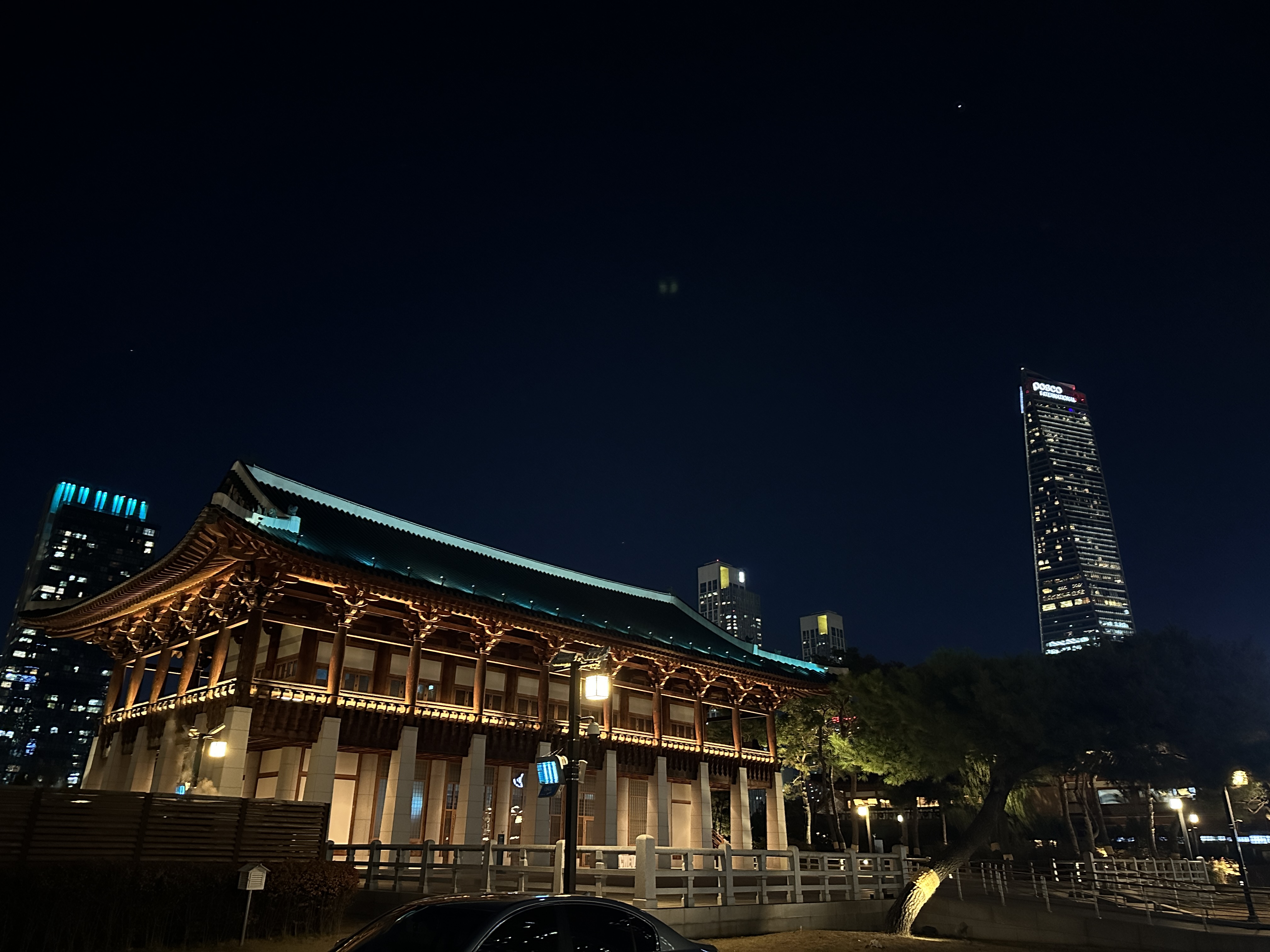
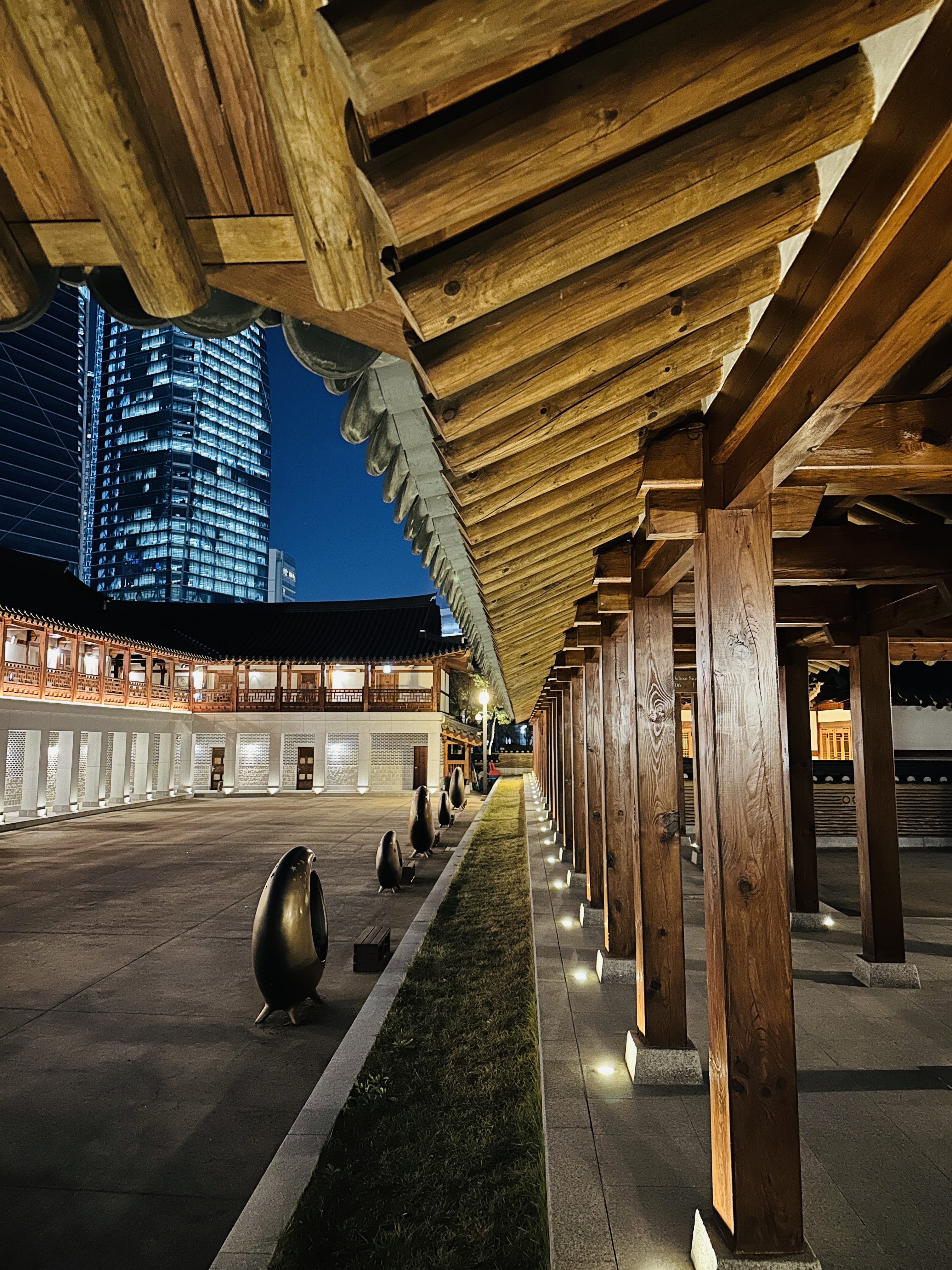
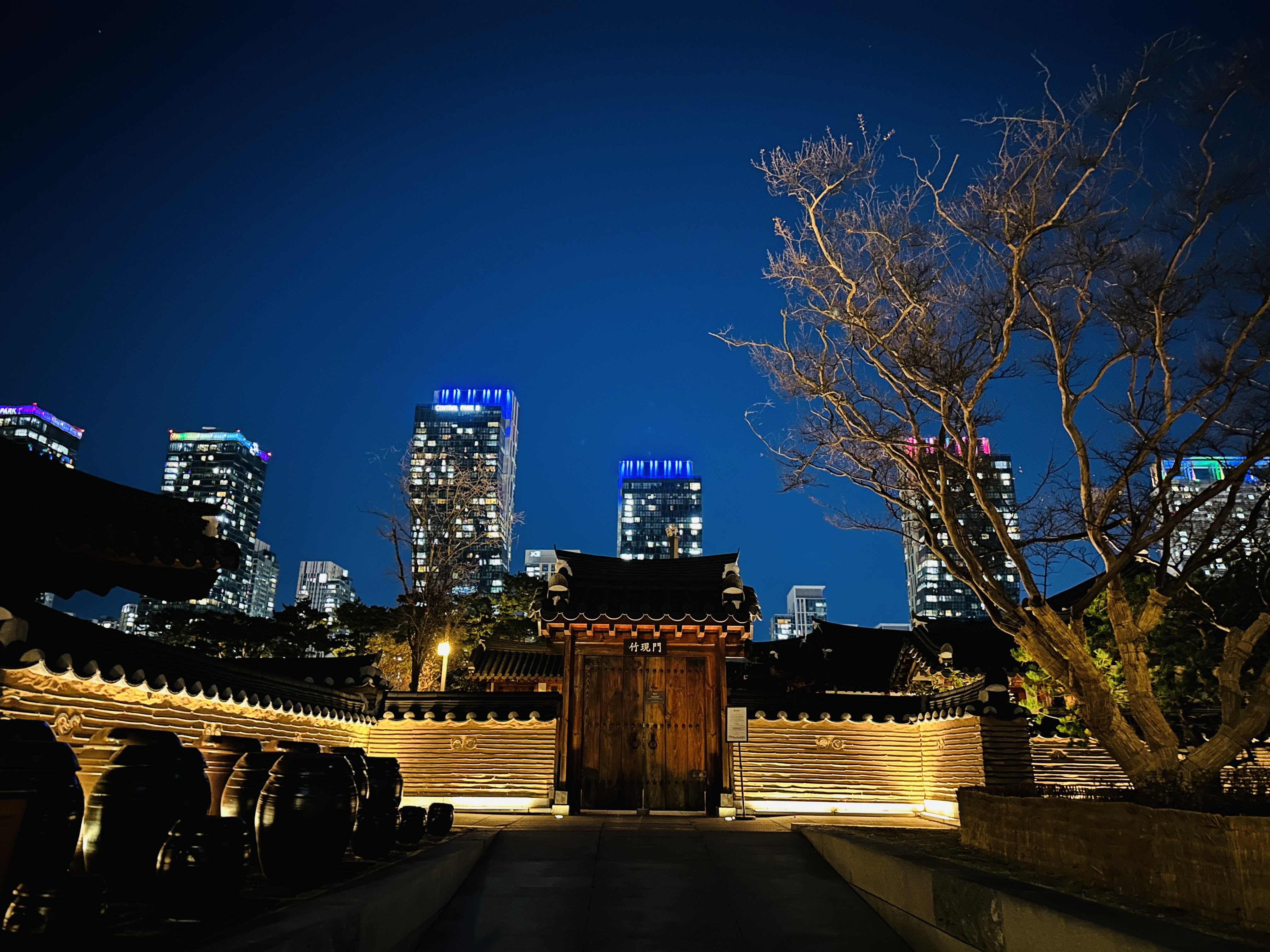
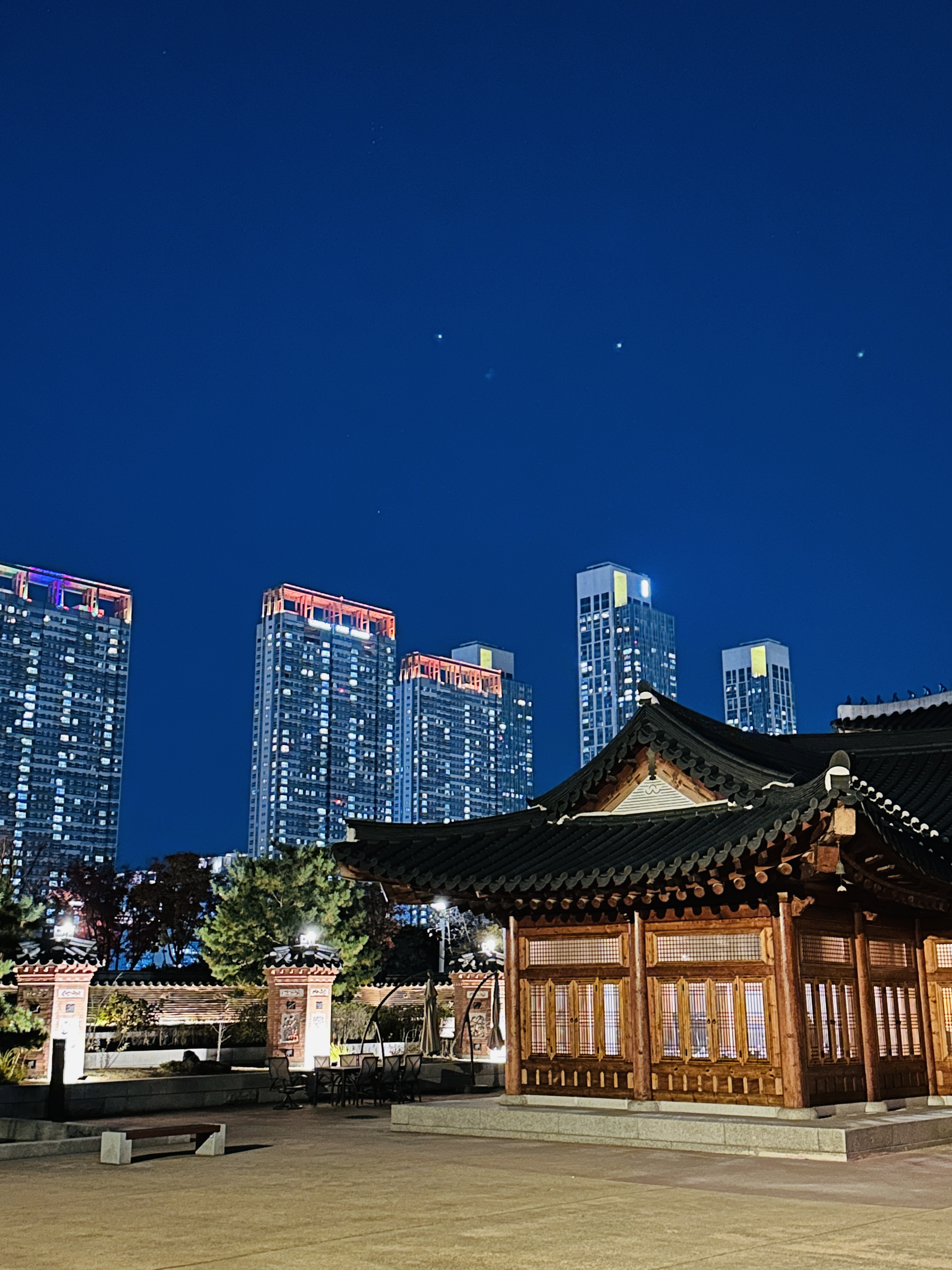
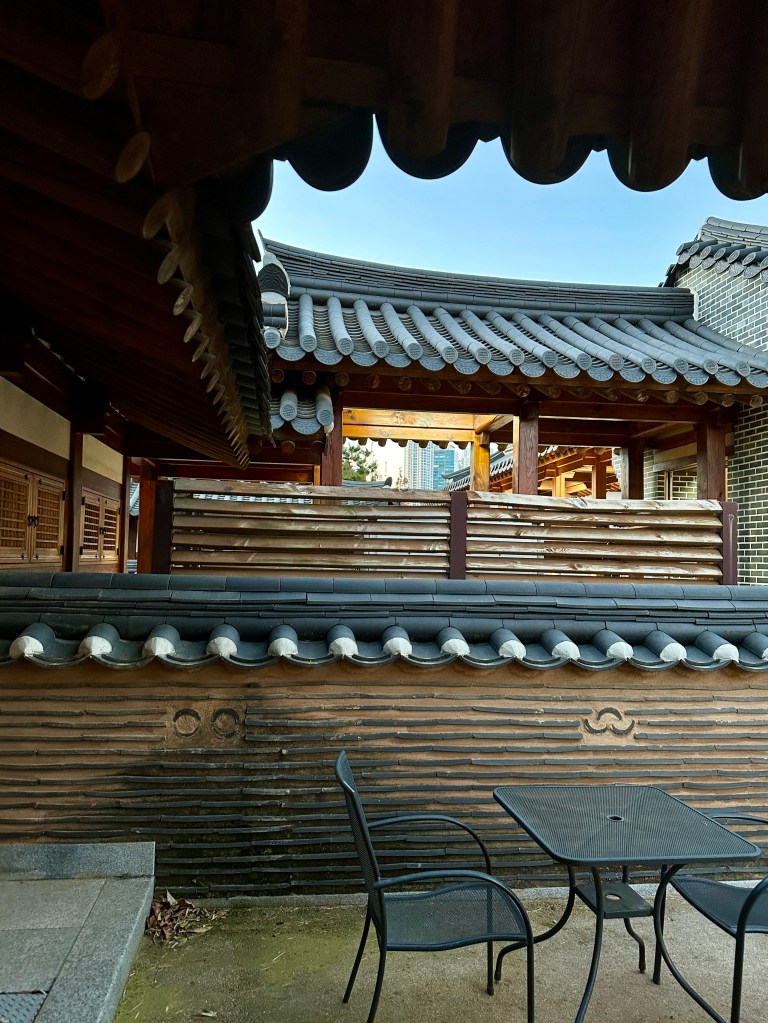
    What’s so special about Gyeongwonjae is its serene location right in the middle of Songdo Central Park, which is part of the Techno Park district. It might sound contradictory to find a peaceful oasis in a district known for its various companies and research facilities, yet this is exactly what makes it so unique. You’ll find a traditional Korean palace-like hotel surrounded by gleaming modern skyscrapers, creating a visually stunning contrast. While there isn’t much to do right outside the hotel, the park itself offers plenty of options, from a relaxing stroll to a boat ride.

    • The entrance of Geongwonjae by Walkerhill
    • Geongwonjae by Walkerhill
    • Geongwonjae by Walkerhill from the outside
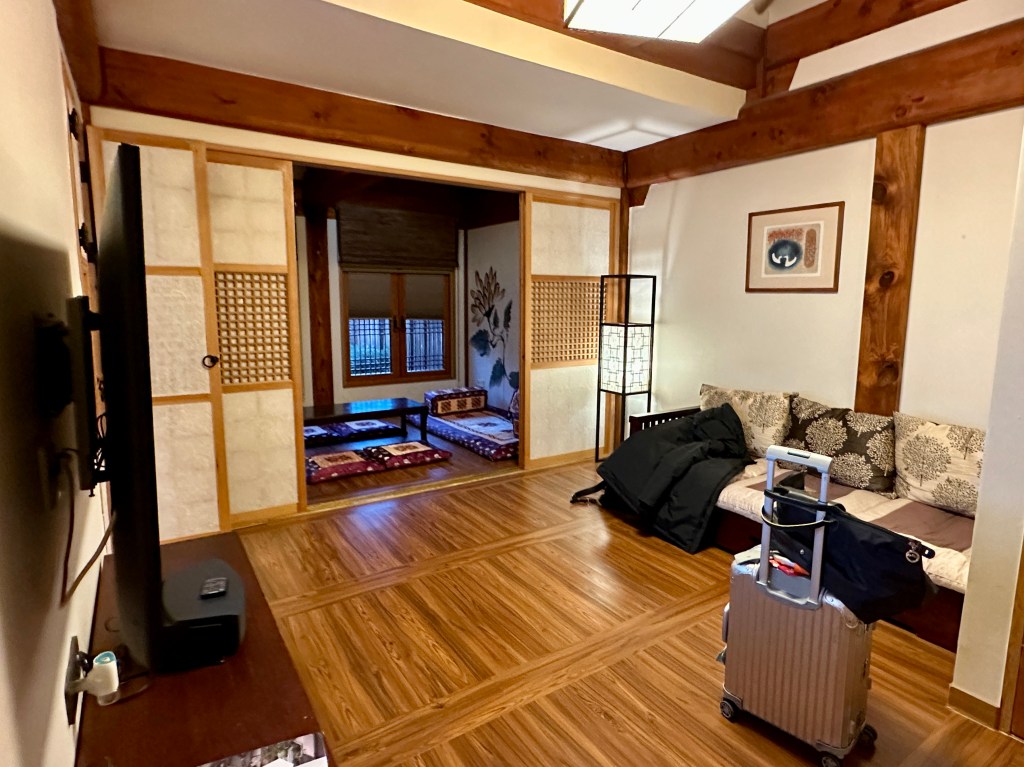
    • Geongwonjae by Walkerhill from the inside
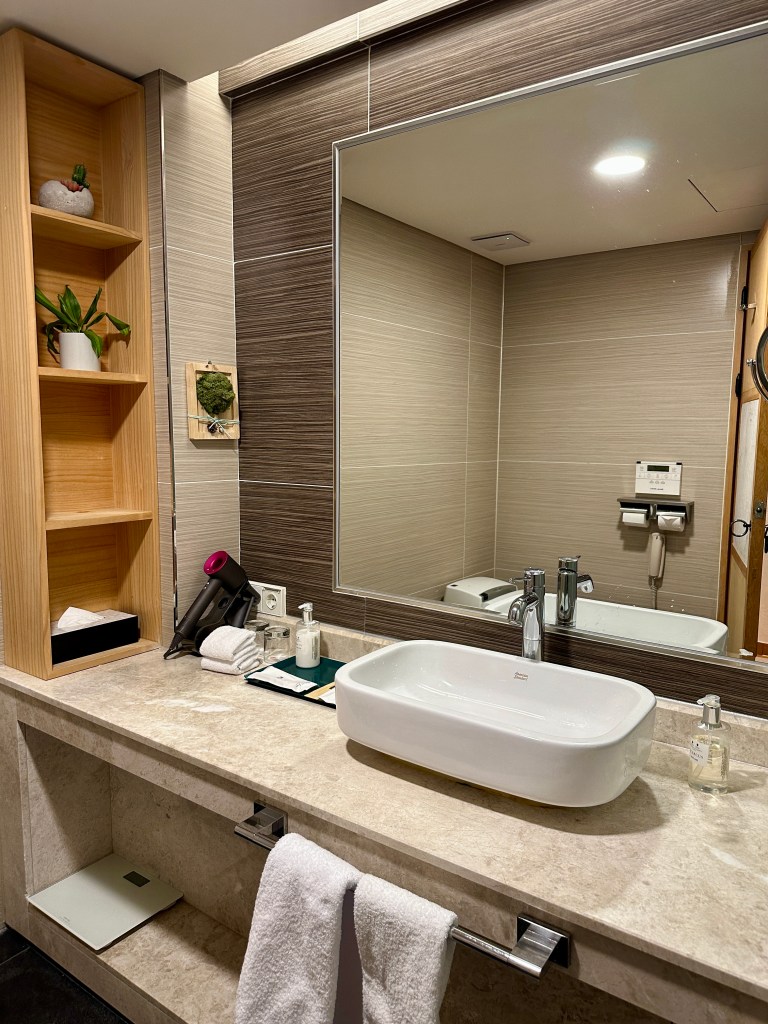
    • Geongwonjae by Walkerhill from the inside
    • Geongwonjae by Walkerhill from the inside

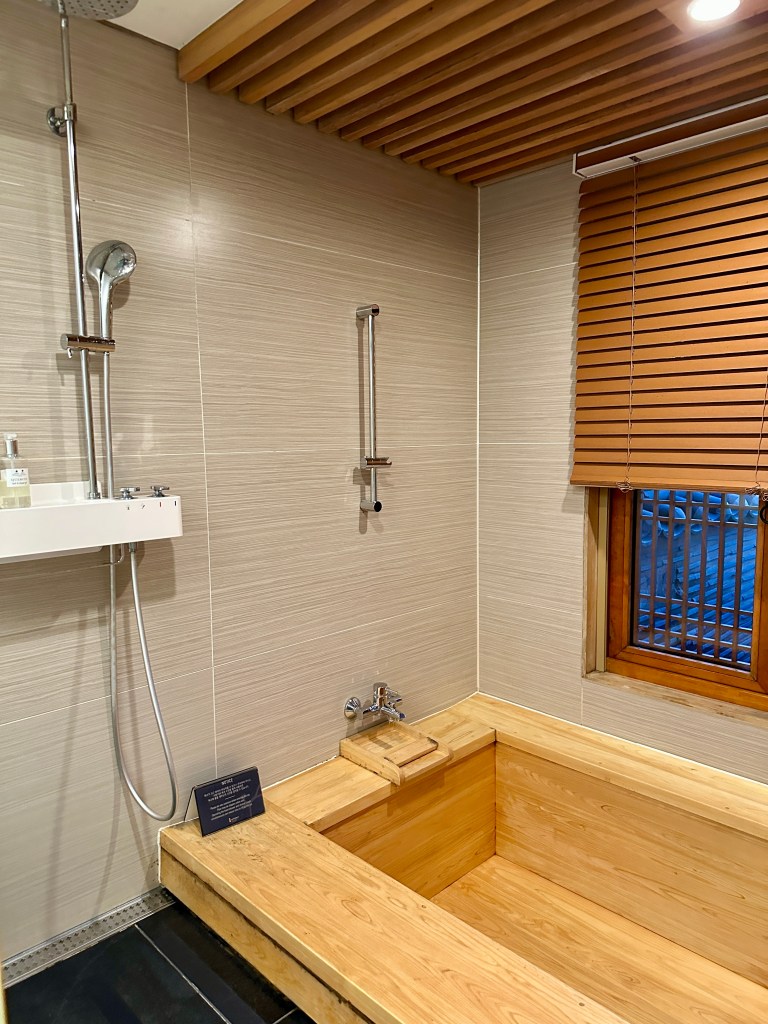
    Once you check in, you’ll receive a brief tour of your room and discover a traditional space filled with modern conveniences. I was lucky enough to stay in one of their suite rooms, a stand-alone unit that features a bedroom, a spacious main hall (daecheong), a bathroom, and even an inner courtyard and backyard. The design allows you to view the outdoor spaces directly from the room, giving you the unique sense of openness that is characteristic of a traditional hanok. The main hall is also decorated with traditional furnishings, creating a special tea ceremony space that adds to the authentic charm.

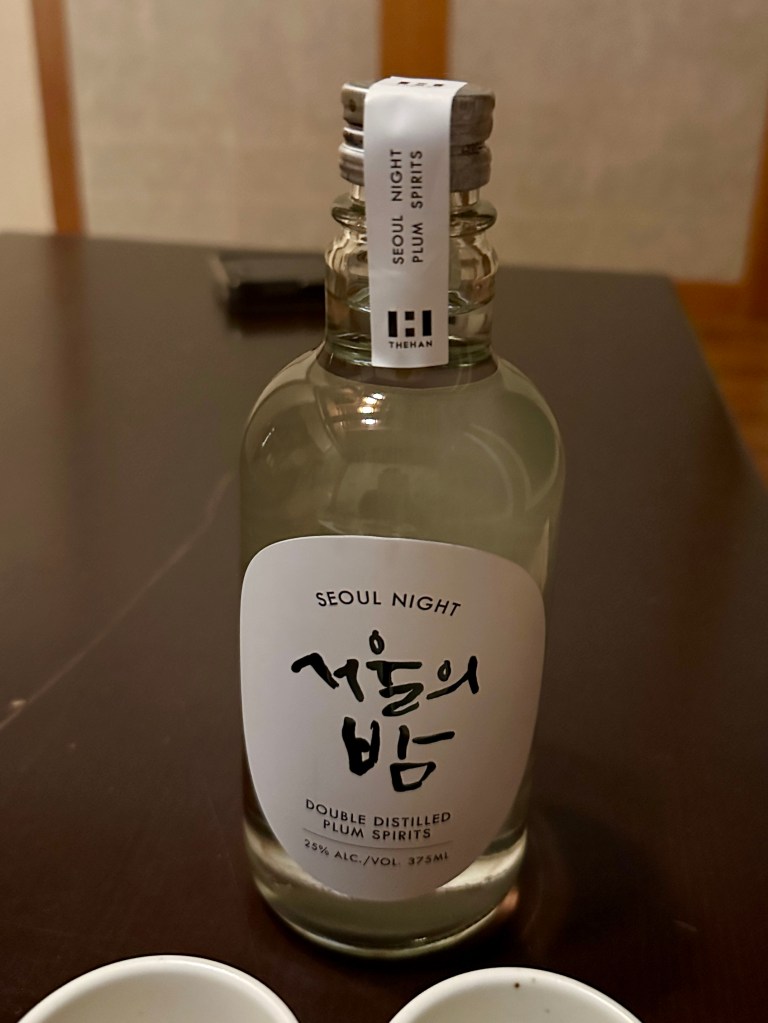
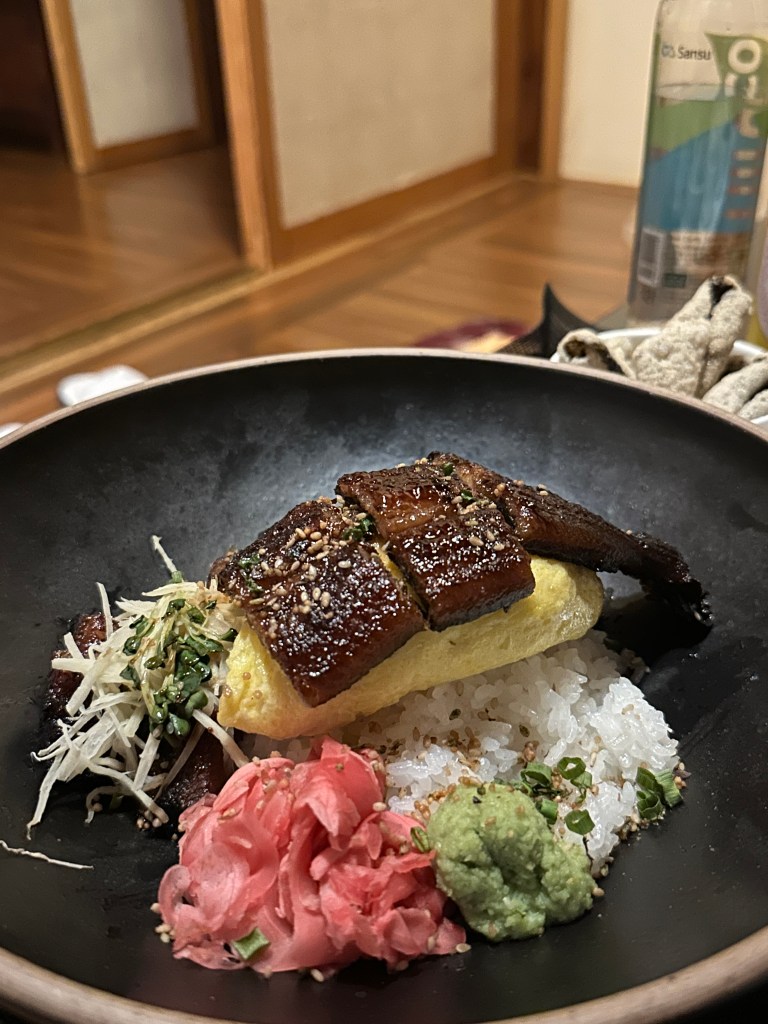
    To make our last night even more memorable, we enjoyed a special late-night snack package—a restorative meal (boyangsik) paired with the traditional Korean liquor, Seoul’s Night (Seoul-ui-bam). I was a little disappointed that the boyangsik was a Japanese-Korean fusion, but we still enjoyed the unique experience.

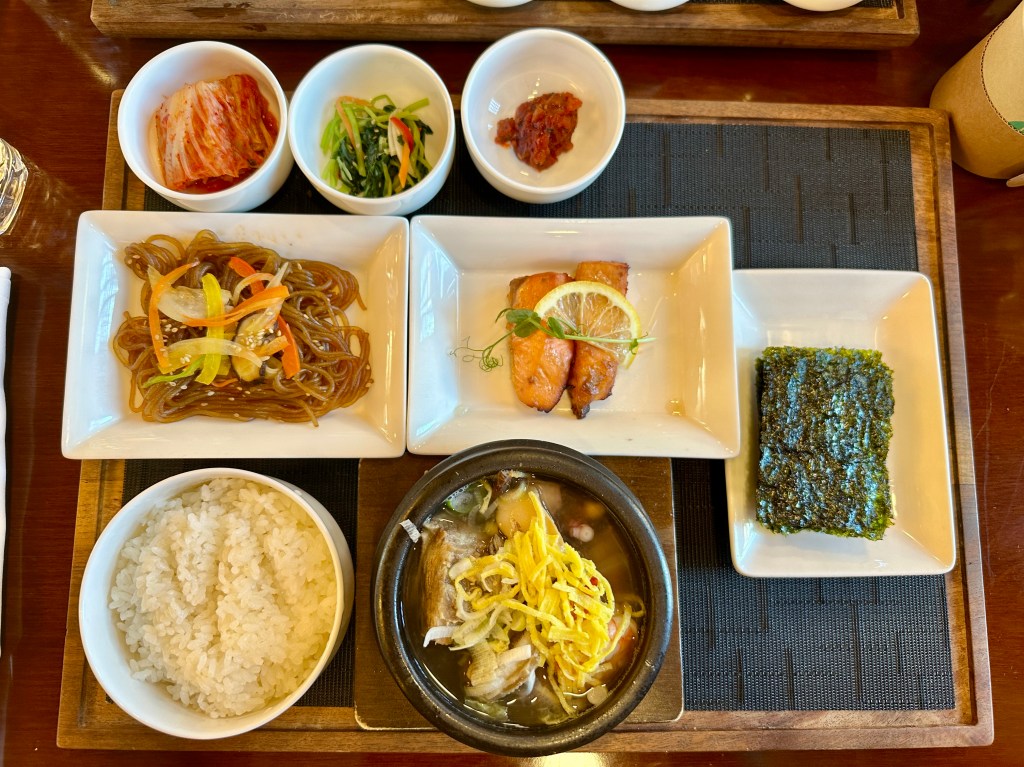
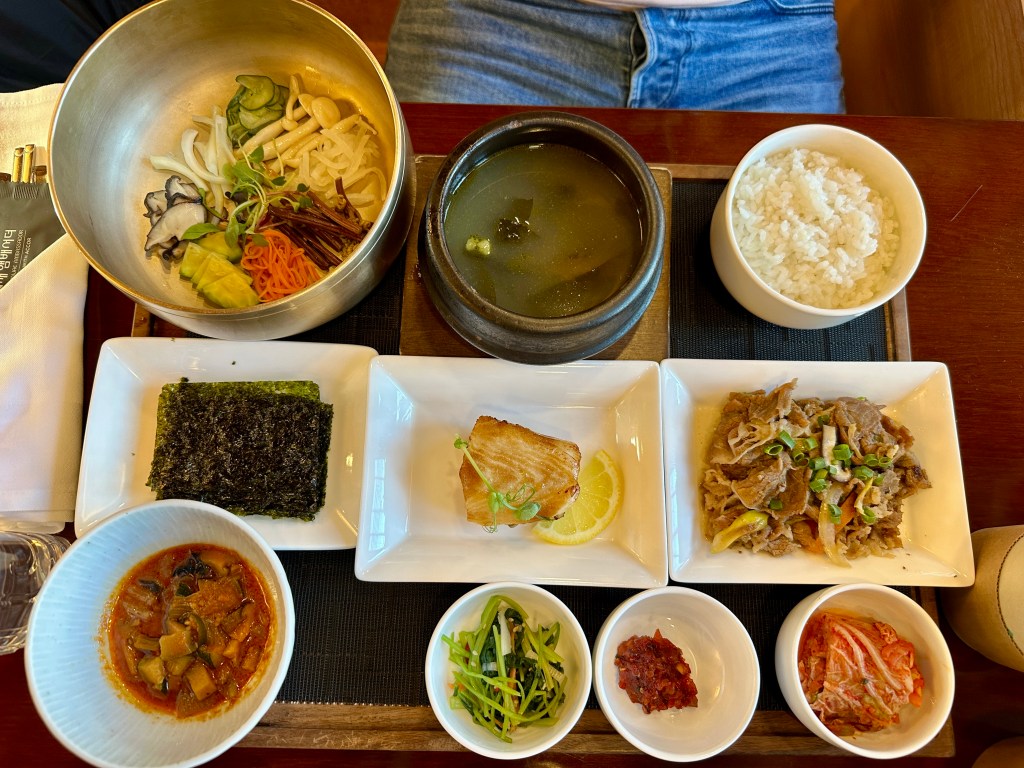
    The next morning, we were treated to a delicious breakfast where you can enjoy a full-course Korean meal served on a single table (hansang-charim). I think it’s the perfect finish to a stay that truly completes your hanok experience.

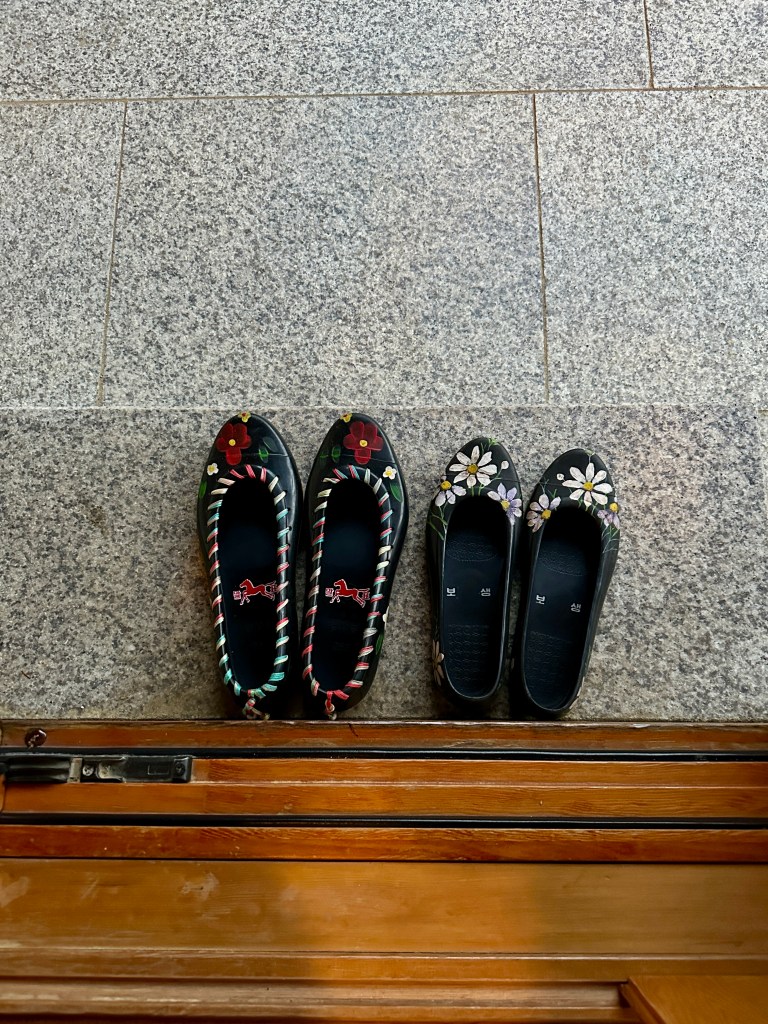
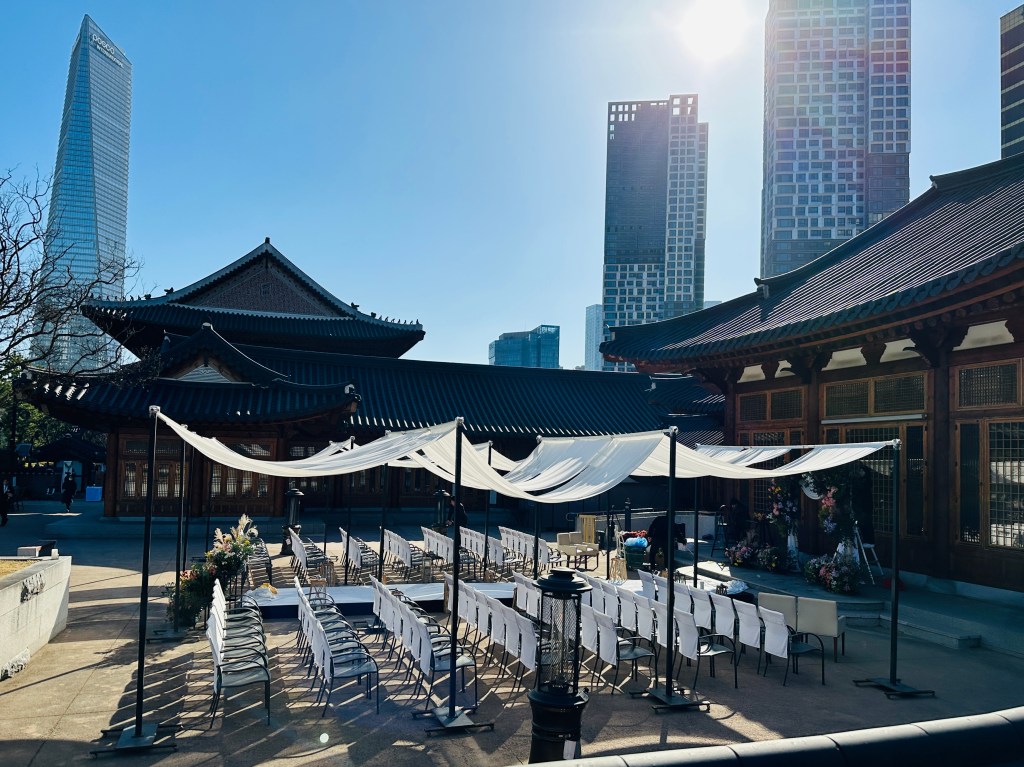
    While I didn’t get a chance to experience their cultural programs, I believe they used to offer a chance to try on traditional costumes (hanbok) and have a photo shoot, which I would love to try on a future visit. As we were leaving, a beautiful wedding ceremony was taking place in the hotel’s courtyard (madang), and I instantly understood why this hotel is also known for hosting beautiful family events.

    If you want an unforgettable Korean night, this is going to be the place you’re looking for.

    Who is this spot for? 

    ✅ Couples looking for a romantic getaway
    ✅ Those seeking a peaceful escape from the city
    ✅ Travelers interested in a unique Hanok experience with modern amenities
    ✅ History and architecture lovers
    ✅ A great final night for travelers departing from Incheon Airport


    ℹ️ Useful Information
    – For more information, visit their Official Website!

    📍Location
    인천광역시 연수구 테크노파크로 200 | Google Maps
    Hotel Name: 경원재 Gyeongwonjae by Walkerhill

  • Secret Guide to Seoul: Seosullagil(서순라길) and a Hidden Hanok Tap Room

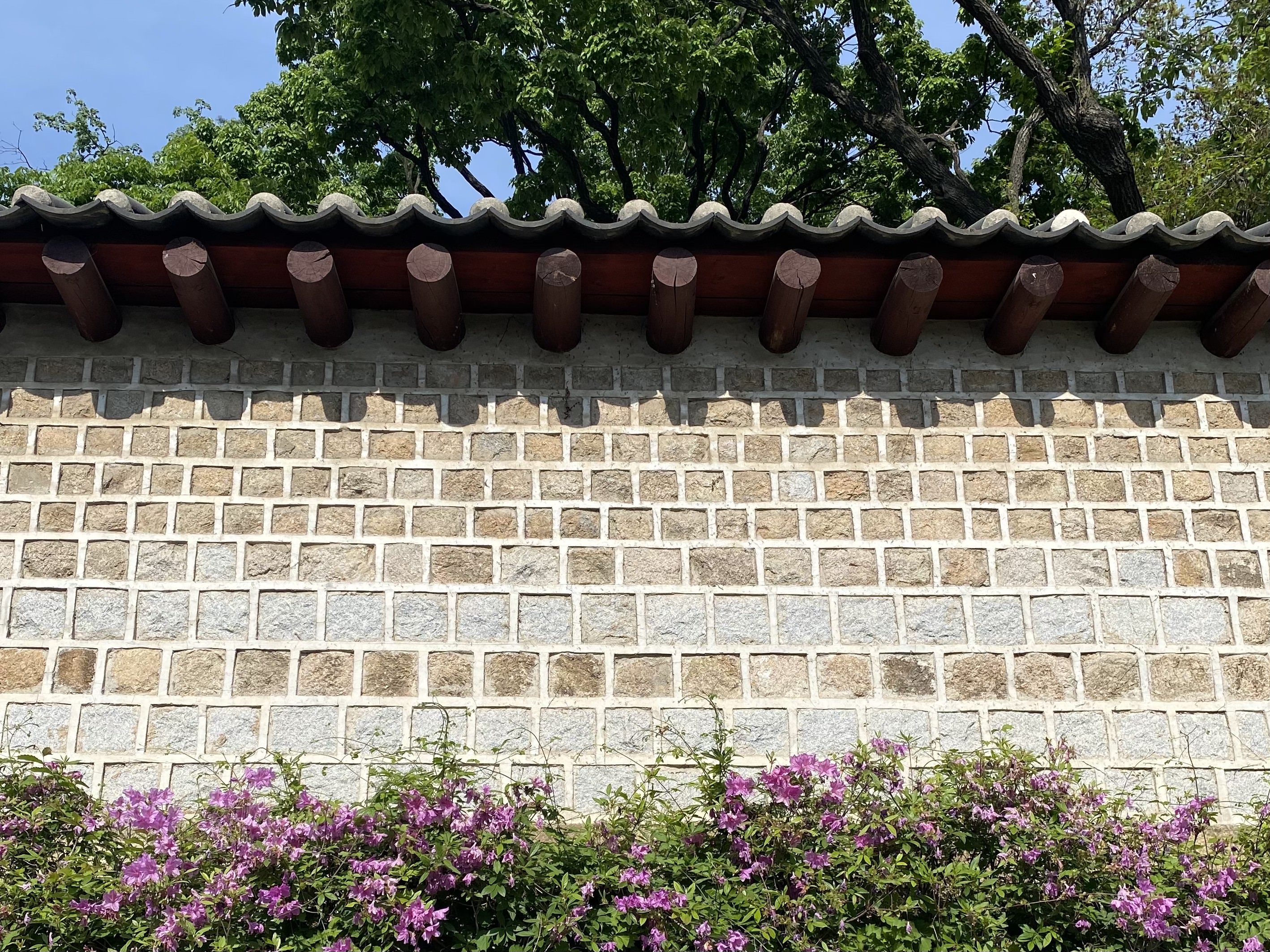
    The first time I stumbled upon Seosullagil (서순라길) was in 2020, while walking down from Changdeokgung and Changgyeonggung palaces. My photos of this street date back years. Looking at them now, you can see how this quiet street along the stone wall of the Jongmyo Shrine has blossomed into a romantic date spot. It has become a lively street full of cozy cafes, bars, and small jewelry and craft shops. This is a place I’ve known and loved for a long time, and while I’m happy it’s getting popular (screaming inside: “no! I don’t want you all to know…”), it’s perfect for a stroll through the seasons: spring, summer, and autumn.

    • Seosullagil
    • Seosullagil in 2021
    • Jongmyo wall on Seosullagil in 2021
    • A View from Seosullagil in 2021

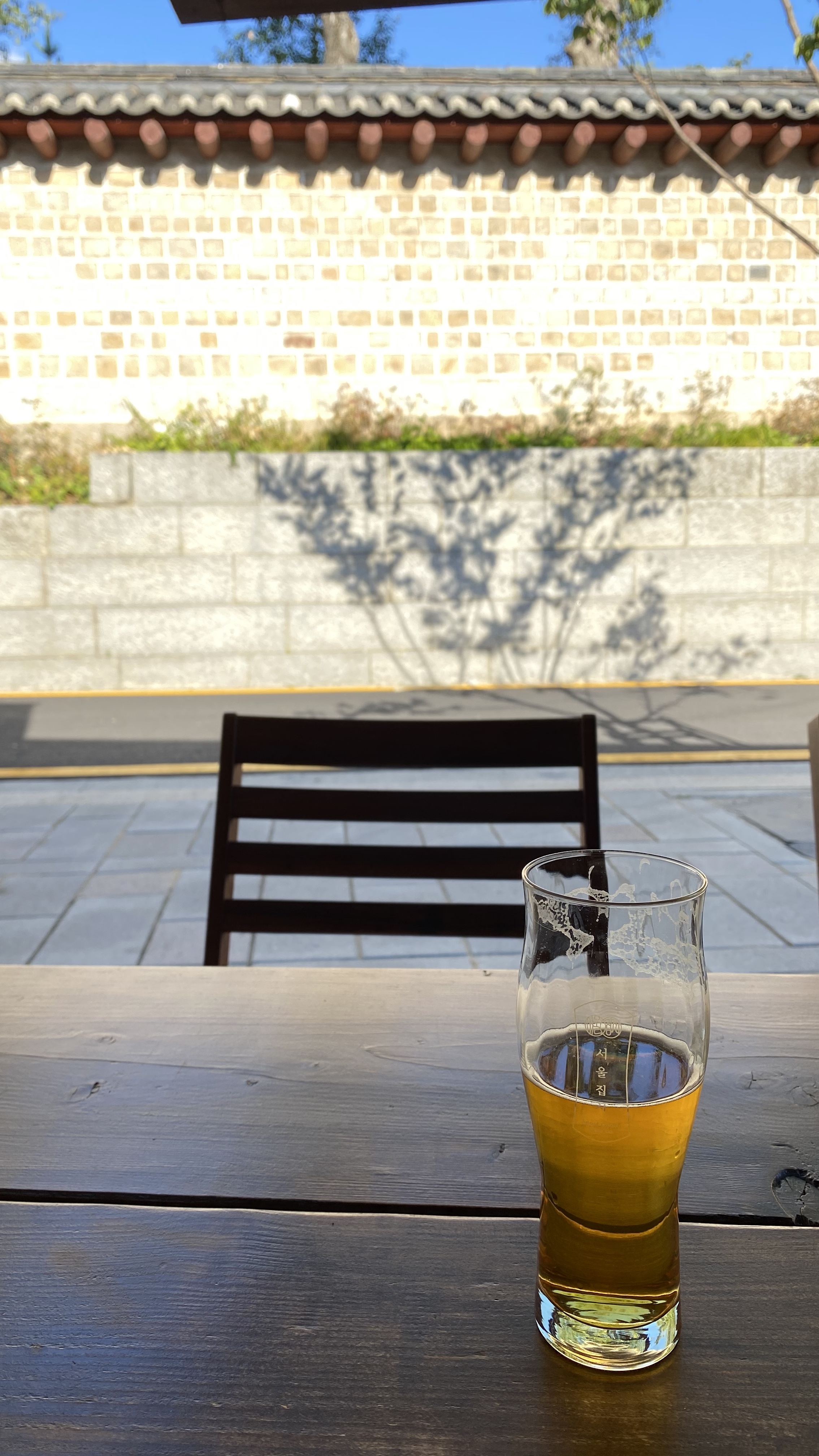
    On that sweltering summer day, all I craved was a cold beer. That’s when I discovered Seoul Gypsy, a craft beer brewery that had already settled on Seosullagil in 2017, long before the street became a trendy destination.

    The best part of this place is its unique setting: a renovated 1950s Korean hanok (traditional house). You can sit down inside this beautifully preserved building, sip on a fresh beer from the tap, and look out at the serene stone wall of the shrine. The blend of ancient tradition with a modern craft brewery creates an atmosphere you won’t find anywhere else in Seoul.

    • Seoul Gypsy Tap Room
    • Seoul Gypsy Beer with Jongmyo Wall

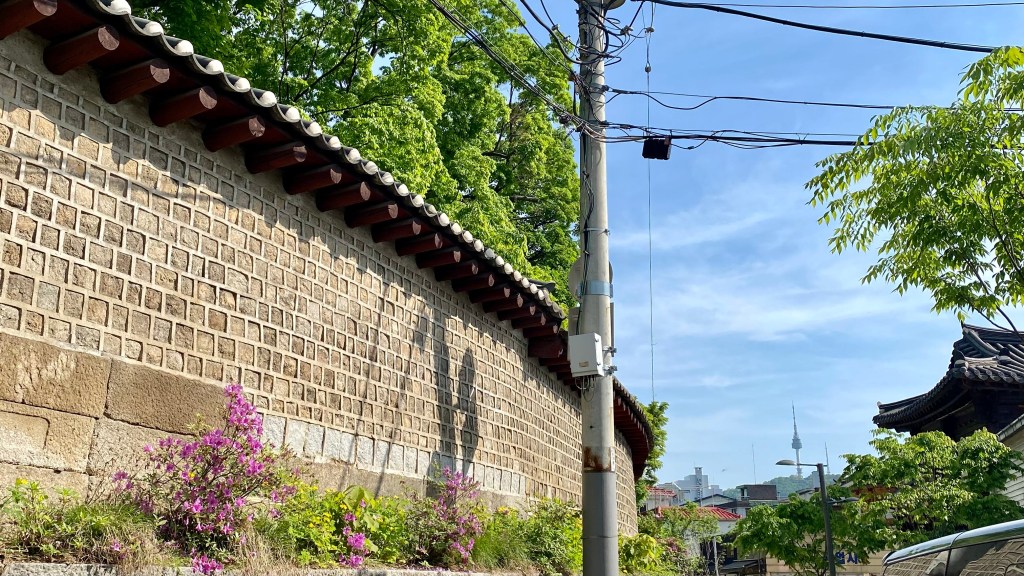
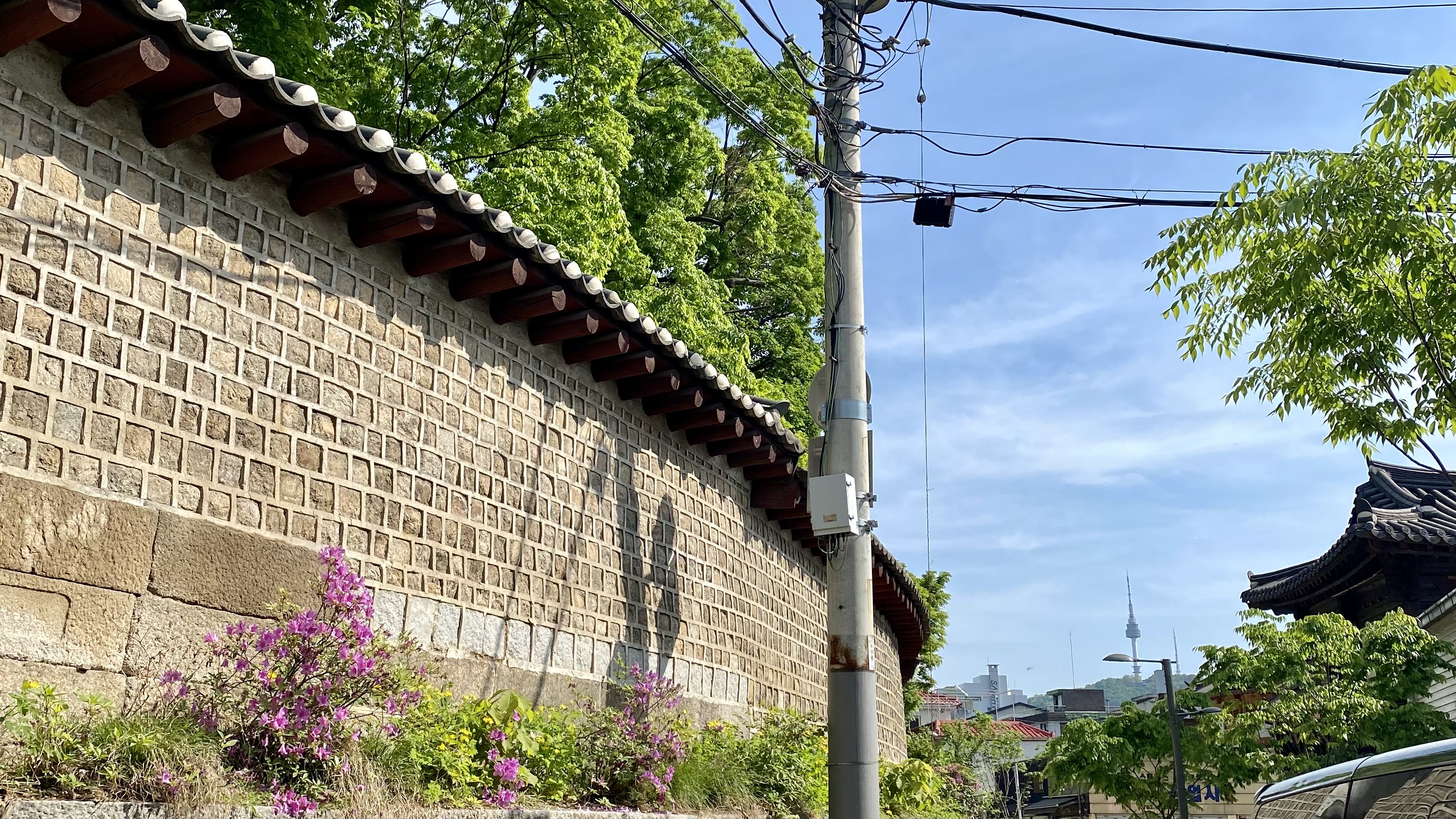
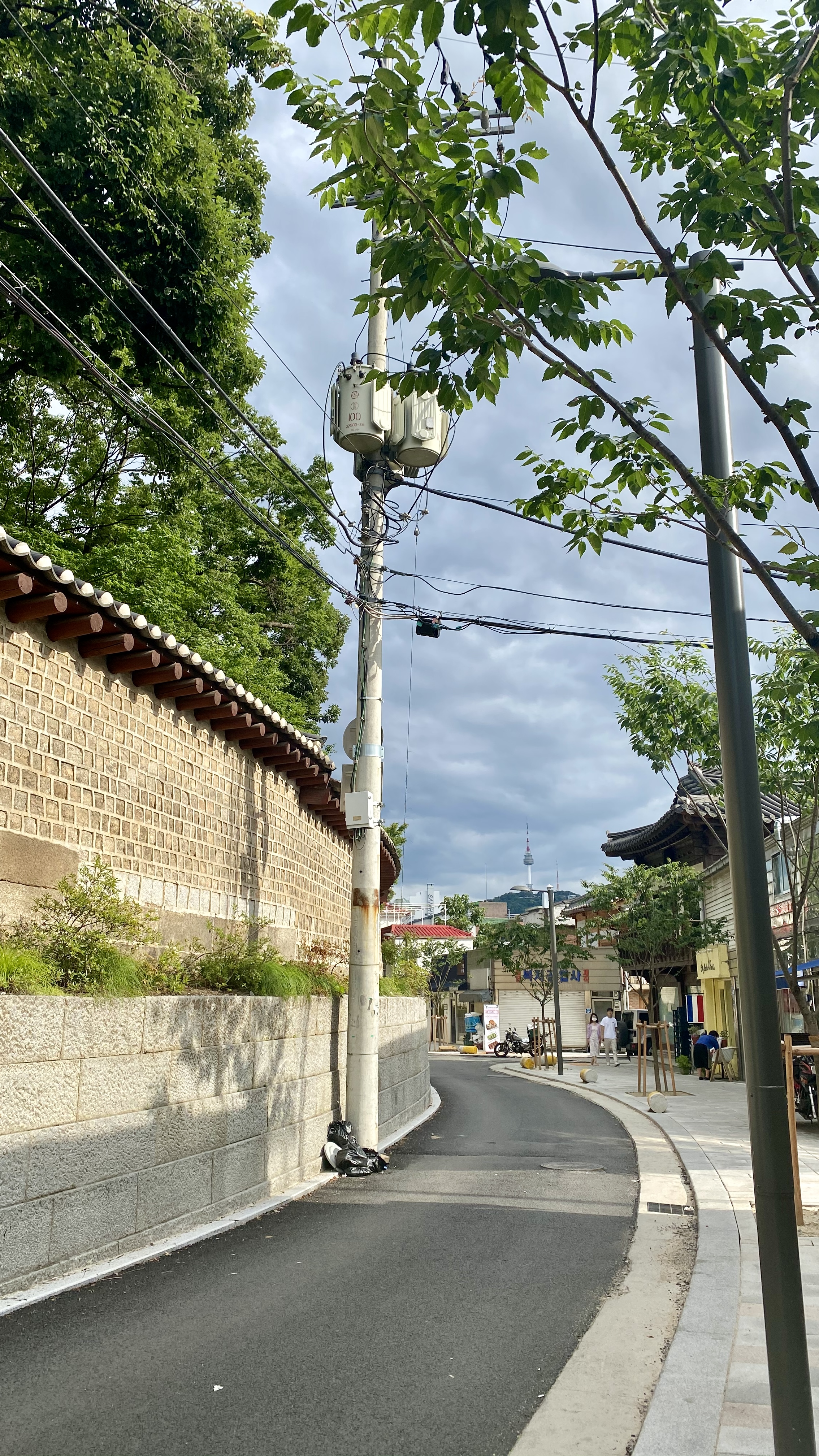
    As you walk down the street, you can feel the old and new of Seoul mingling together. On a clear day, you can even catch a glimpse of the Namsan Tower in the distance, which only adds to the unique vibe of this vibrant neighborhood.

    • N Seoul Tower View from Seosullagil

    Because of its location, you can easily fit Seosullagil into a full day of exploring. Everything is conveniently close together! It’s a great detour if you’re visiting the Changdeokgung and Changgyeonggung palaces, Bukchon Hanok Village near Anguk Station (Line 3). Alternatively, you can plan your visit from Insadong or Ikseondong and enter from the south, near Jongno 3-ga Station (Lines 1, 3, 5).


    Who is this spot for? 
    ✅ Great for a stroll
    ✅ Perfect for a date night
    ✅ Ideal for solo exploration
    ✅ Must-visit for beer lovers
    ✅ A unique mix of history and modern culture


    📍Location:
    – Street: 서울특별시 종로구 서순라길 | Google Maps
    – Seoul Gypsy: 서울특별시 종로구 서순라길 45-1 | Google Maps

    🚇 Nearest Subway Station
    Anguk Station (Line 3) – Exit 4
    Jongno 3-ga Station (Lines 1, 3, 5) – Exit 7 or 11

  • Secret Guide to Seoul: Finding Peace in the Room of Quiet Contemplation (사유의 방)

    I’ve been thinking a lot about the first “hidden spot” I want to reveal in Seoul. While most people come here for the shopping, nightlife, or K-drama locations, one of the city’s most profound cultural treasures is actually hidden in plain sight: the National Museum of Korea.

    Now, I know what you’re thinking—a museum might sound boring. But trust me, you’ll find a tremendous collection of Korean national treasures there for free, and within its walls lies my favorite peaceful spot.

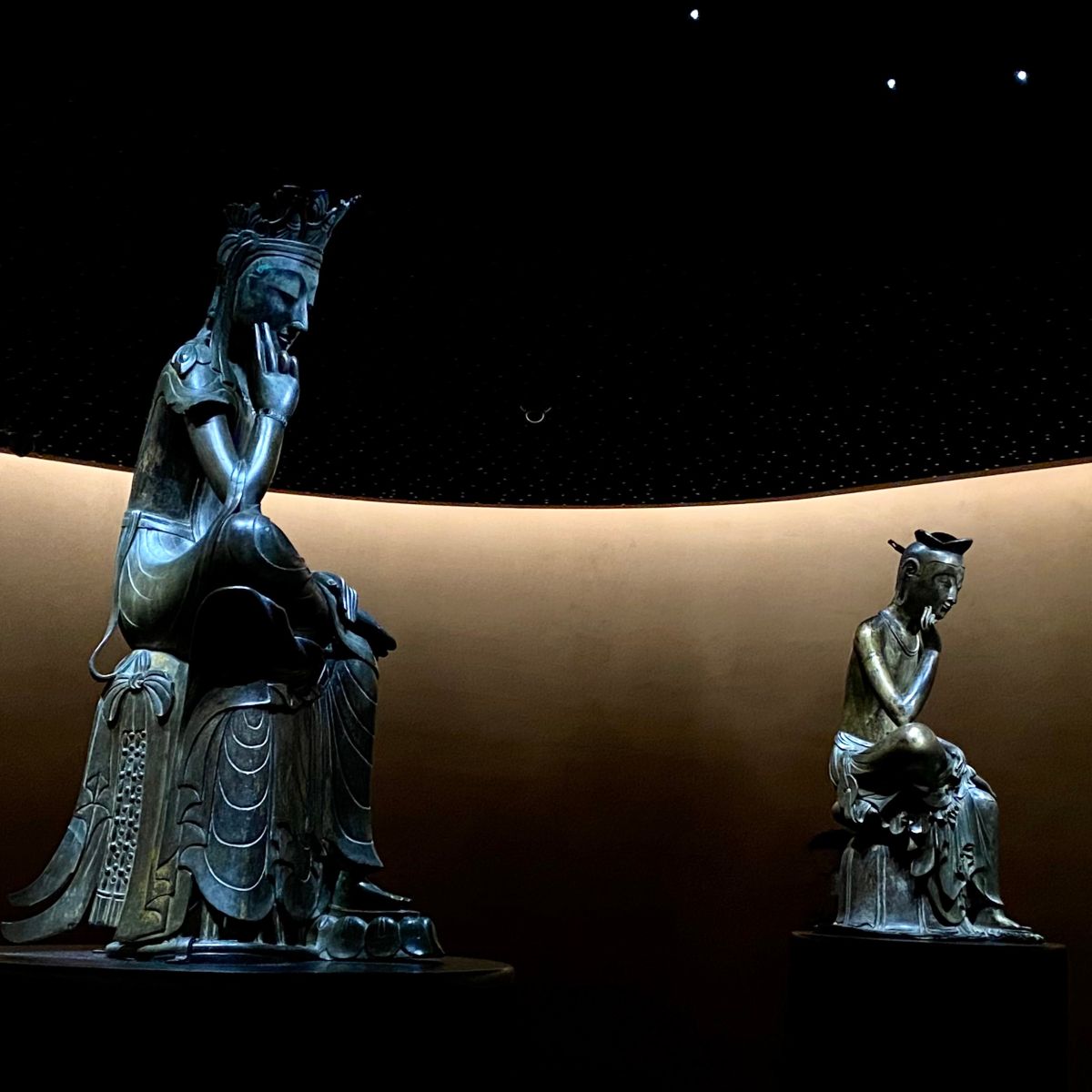
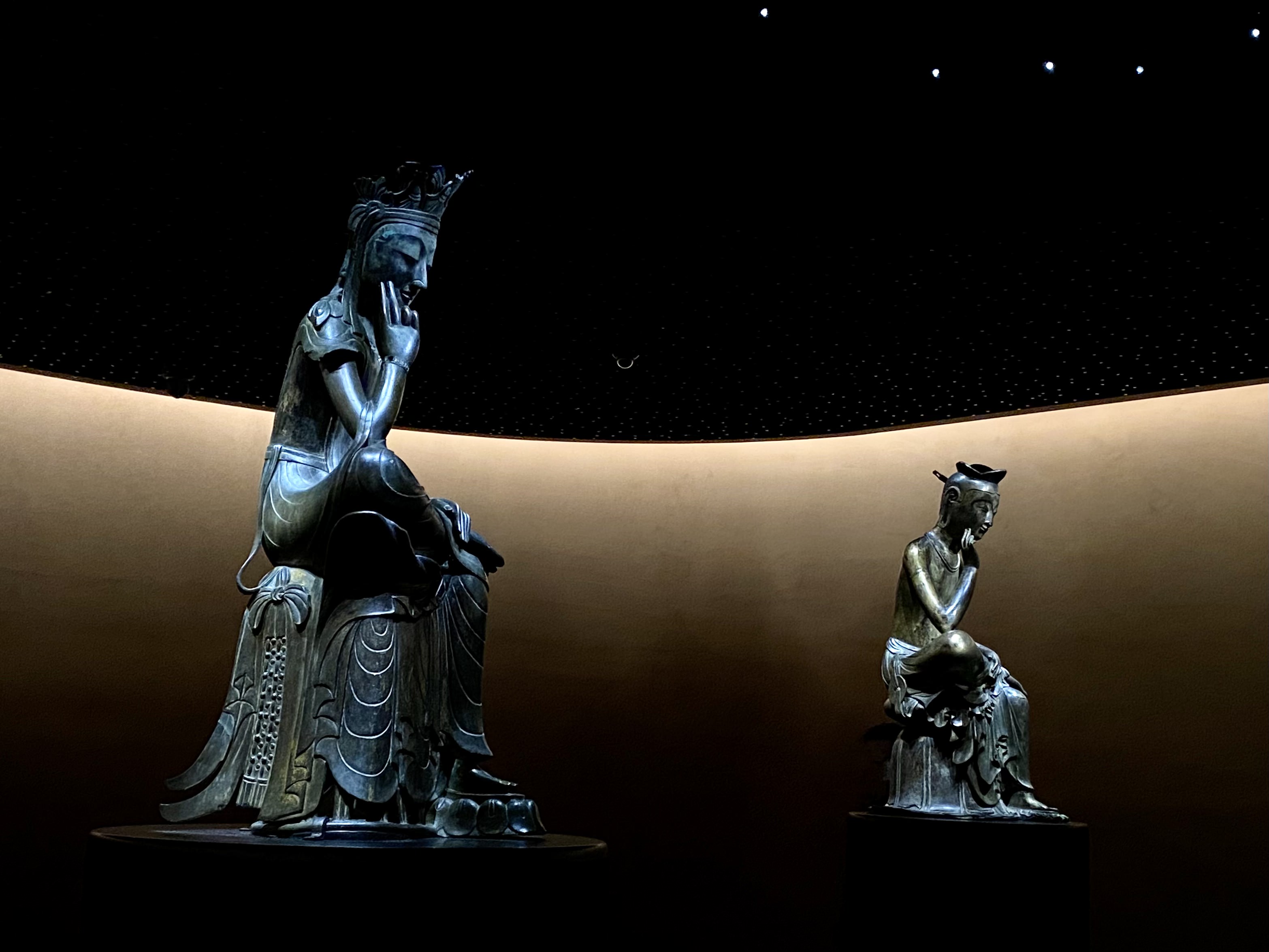
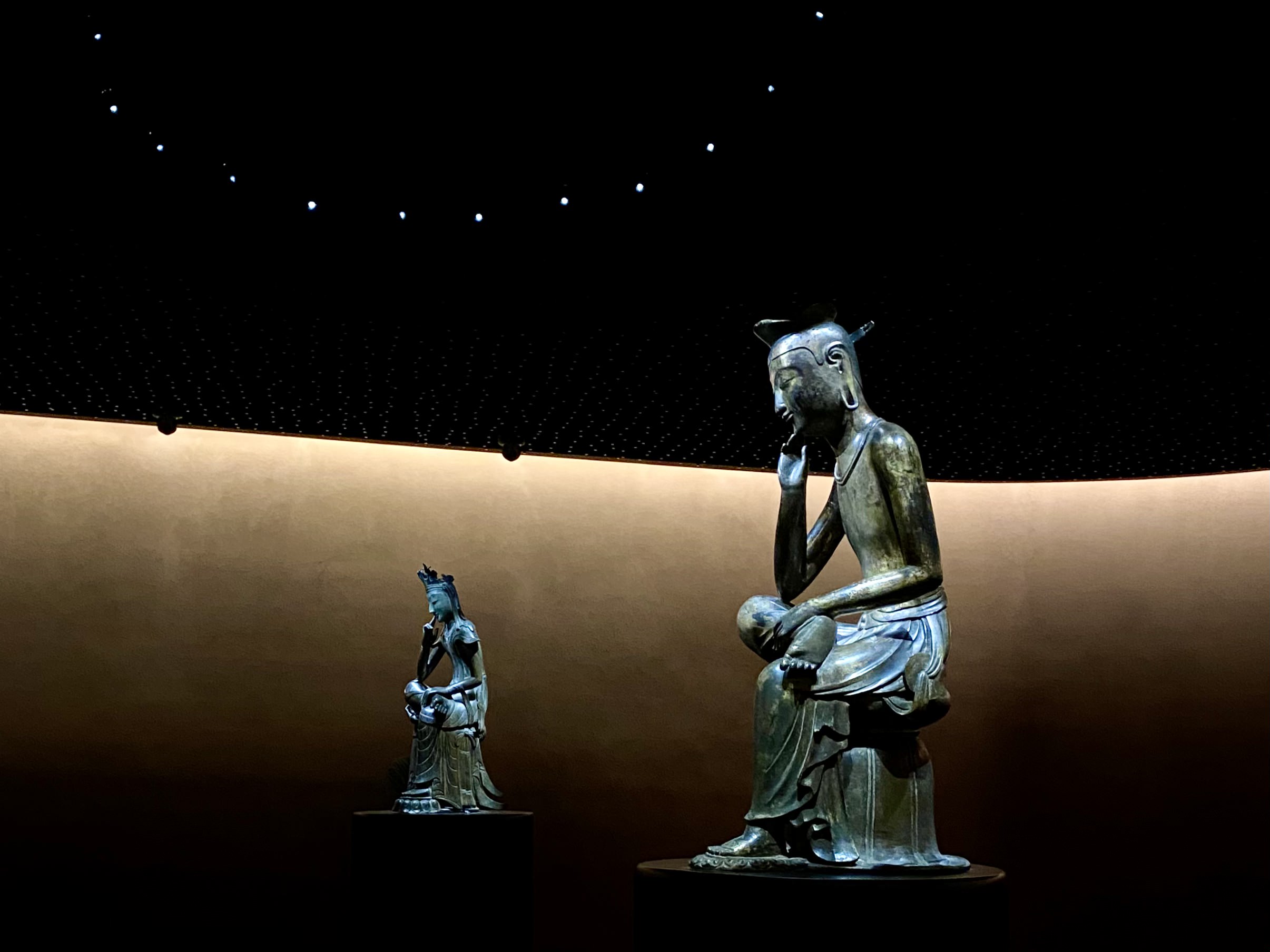
    I keep returning to this museum in Yongsan for one specific reason: the Room of Quiet Contemplation. It’s home to two pensive bodhisattva statues, each a designated National Treasure, and it’s a special spot that has always drawn me back.

    You’ll find the room on the second floor. As soon as you enter, you’ll pass through a long, dark hallway that prepares your mind for what’s to come. At the end of the hall, bathed in soft light, are the two statues, each with a gentle, serene smile. Sitting alone in the quiet, peaceful room, they seem to be lost in deep thought. The moment you look at them, it feels as though all your life’s hassles are forgotten, and you may find yourself standing there, lost in contemplation, for a long while.

    • The Korean pensive bodhisattva statues
    • The Korean pensive bodhisattva statues

    According to the National Museum of Korea, these statues were produced in the late sixth and early seventh centuries. The meticulous craftsmanship—a testament to the highly advanced casting techniques of the time—is what gives them their simple yet dynamic beauty. They symbolize enlightenment and deep thinking about the human condition, from birth to death. As you stand before them, you can see why they have inspired such awe for over a thousand years.

    If you look up, you’ll notice the ceiling is adorned with “stars,” turning the room into an ultimate space for deep thinking and peaceful immersion. This detail adds an extra layer to the experience, allowing you to fully escape your everyday worries. The Room of Quiet Contemplation is more than just an exhibition; it’s a meditative space where you can connect with a profound piece of Korean history. To preserve the tranquility for everyone, even guided tours are asked to maintain silence. It’s a small act that allows for a truly immersive and unforgettable experience.

    Before you leave, you might want to bring a piece of that peace home with you. The museum shop on the first floor is an absolute treasure trove. You’ll find charming miniature versions of the pensive bodhisattva statues or snow globes that beautifully capture the serene atmosphere of the room. Many of these unique crafts, featuring a range of Korean national treasures, are proudly made by Korean small businesses and artisans. Because of their popularity and special design, they often sell out quickly, so if you have your heart set on a souvenir, make sure to check both the offline store and the museum’s global online shop.

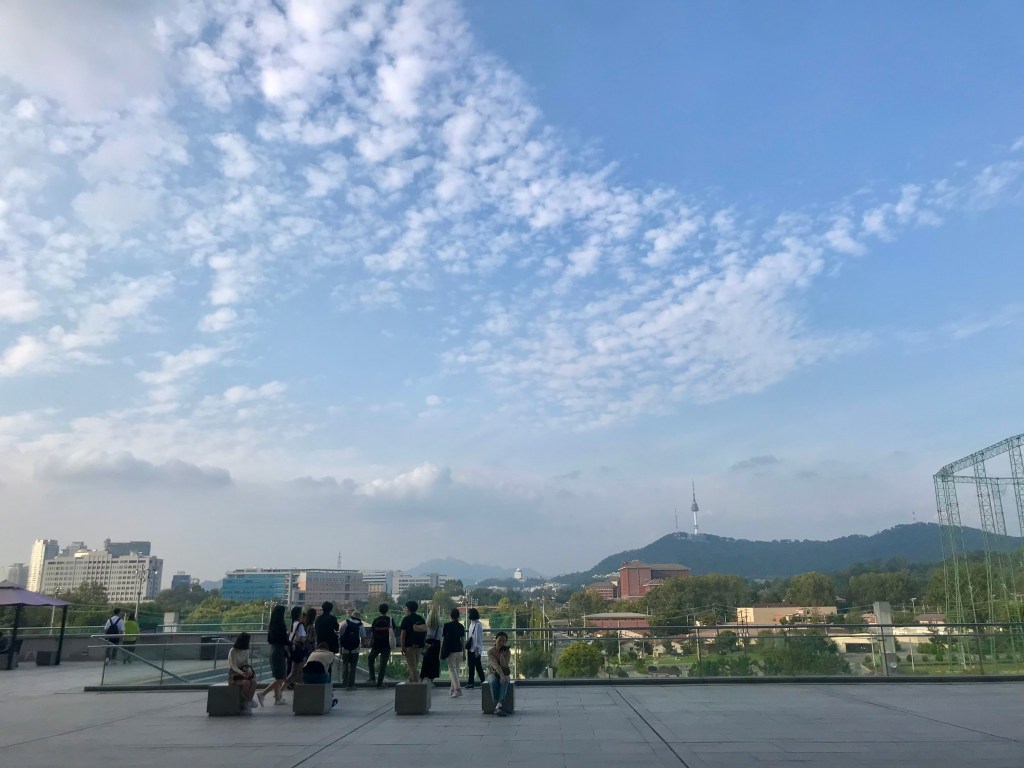
    As you make your way in or out of the museum, take a moment at the main staircase, where I personally call “the perfect picture frame of Seoul.” From here, you’re treated to a wonderful view of the Seoul cityscape, a vibrant contrast to the tranquility you might have just experienced or are about to discover. It’s a great spot to pause and appreciate the city that houses such profound cultural treasures, a reminder of the dynamic blend of old and new that makes Seoul so captivating.

    • The view from the entrance at National Museum of Korea
    • The view from the main staircase at National Museum of Korea
    • The view from the main staircase at National Museum of Korea

    So while Seoul is famous for its vibrant energy and bustling streets, remember that true cultural treasures and moments of quiet contemplation are often found in the most unexpected places. The Room of Quiet Contemplation is my secret spot for a mental reset, and I hope it can be yours, too. Here’s to finding your own moments of peace on your next Seoul adventure.

    Who is this spot for? 
    ✅ For those seeking a moment of peace
    ✅ Ideal for history and art lovers
    ✅ A must-see for anyone interested in Korean culture and national treasures
    ✅ Perfect for a thoughtful, solo visit
    ✅ Great for escaping the city’s hustle and bustle


    ℹ️ Useful Information
    – Free Admission for permanent exhibition (including the Room of Quiet Contemplation).
    – For more information, visit Official Website!

    📍Location
    대한민국 서울특별시 용산구 서빙고로 137 | Google Maps

    🚇 Nearest Subway Station
    Ichon Station (Line 4, Gyeongui-Jungang Line) – Exit 2

  • Secret Guide to Seoul – The Beginning

    While I love sharing my adventures here in New York and New Jersey, I’ve been thinking about the place that truly shaped me. The time has come to reveal my personal guide to Seoul. Forget the usual tourist traps—this is a look at the secret spots and experiences that only a local would know. It’s going to be a fun, personal journey, and I can’t wait to share it with you.

    This guide is just the beginning! I’ll be adding more posts to the list below as I reveal my favorite spots. Consider this your personal table of contents to a side of Seoul you won’t find anywhere else.

    Bookmark this page and follow along as we uncover the real Seoul, one secret at a time!

    My Seoul Guide:

  • Joo Ok NYC: The Ultimate Experience of Korean Jang (a traditional sauce) and Housemade Ingredients

    If you’ve been following the NYC food scene at all, you’ve probably noticed that Korean cuisine is having a major moment. And as a Korean living here in New York, let me tell you, it’s been incredible to watch! It makes me so happy to see the dishes of my heritage not only gain such well-deserved attention but also offer a truly unique and enjoyable experience for everyone—even for those of us with Korean roots living outside of Korea.

    Recently, to celebrate my husband’s birthday, I finally visited Joo Ok in midtown New York and had an excellent dinner with my beloved ones. Joo Ok is led by Chef Shin Chang-ho and it is relatively new to the NYC Korean fine dining scene so I can’t help visiting and exploring their creativity.

    Joo Ok’s Immersive Welcome

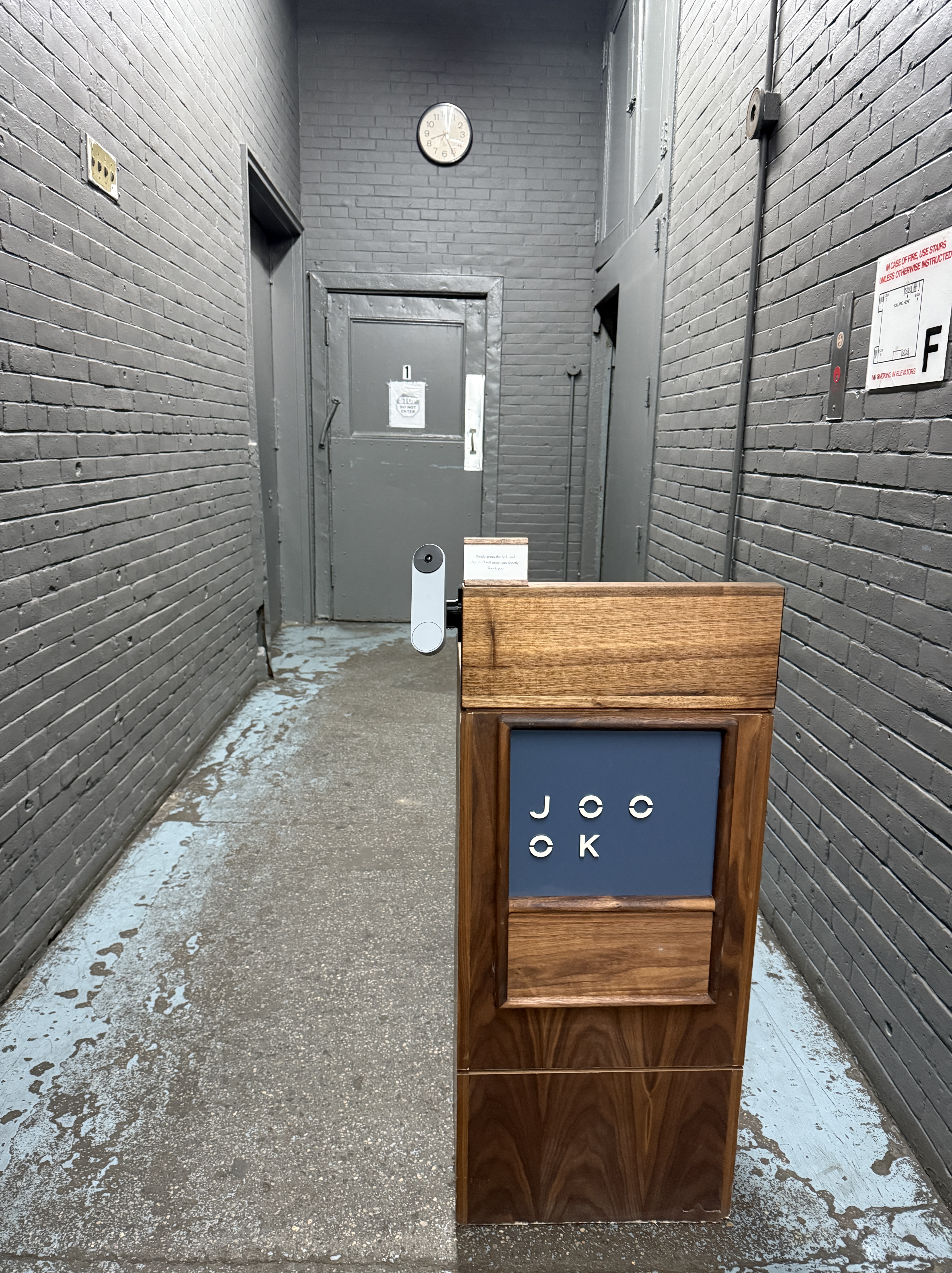
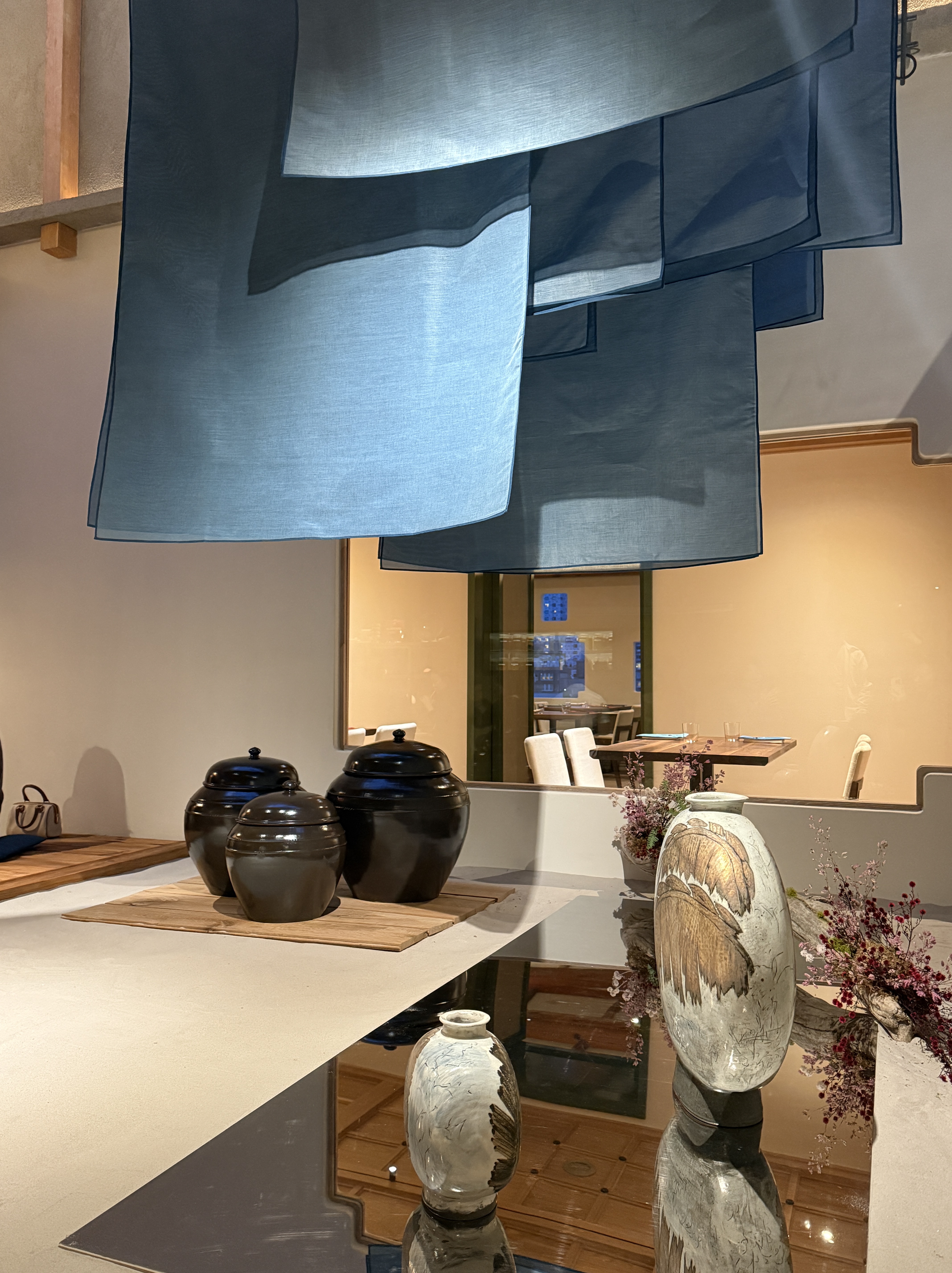
    What truly stood out at Joo Ok was the meticulously designed journey that began the moment we arrived. The experience started with an unexpected entrance through an old building and a freight elevator, building anticipation before revealing a serene welcome area. This space was beautifully crafted to evoke a traditional Han-ok (a Korean traditional house), leading us to our seating in a Korean Daechung Maru. This wooden hall, a central feature of traditional Korean homes, provided a unique setting.
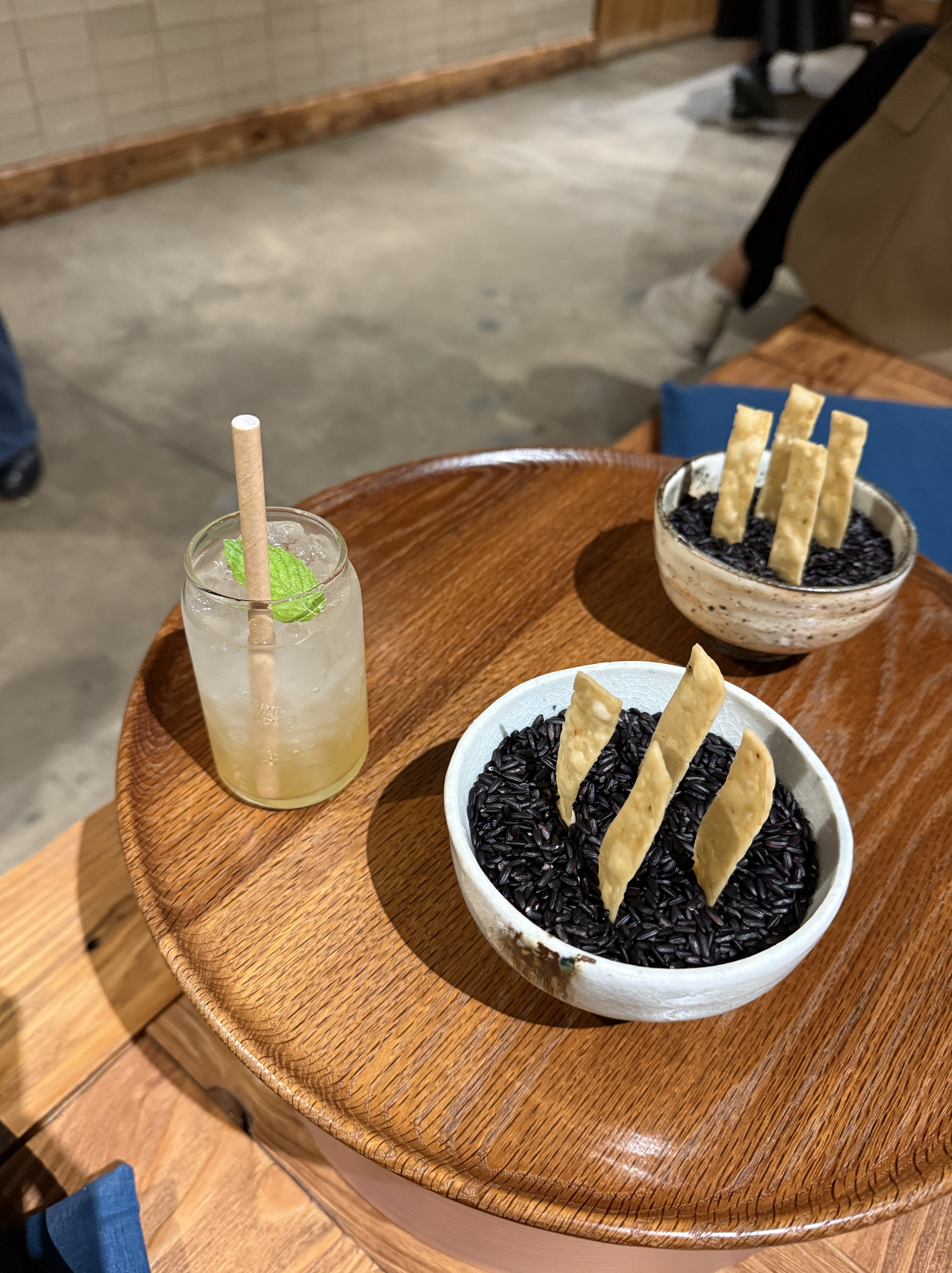
    Here, we were welcomed with an array of delightful Korean amuse-bouches and refreshing beverages crafted with their housemade vinegar, setting the perfect tone for the evening. One particular highlight was explained as tasting like a sophisticated version of a familiar Korean shrimp cracker, a clever nod to traditional flavors.

    • Joo Ok NYC Entrance
    • Joo Ok NYC the Freight Elevator
    • Joo Ok NYC Welcome Lounge
    • Joo Ok NYC Welcome Food and Drink
    The Culinary Unveiling

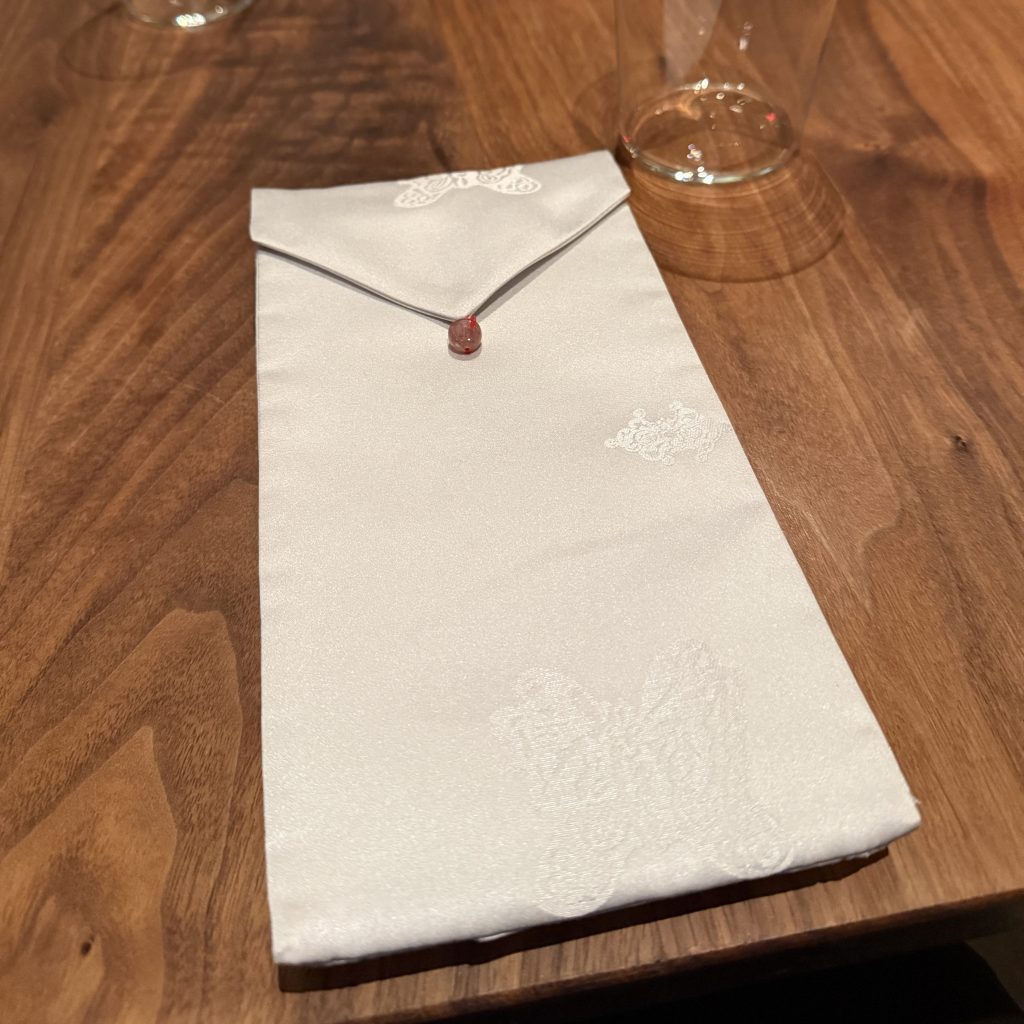
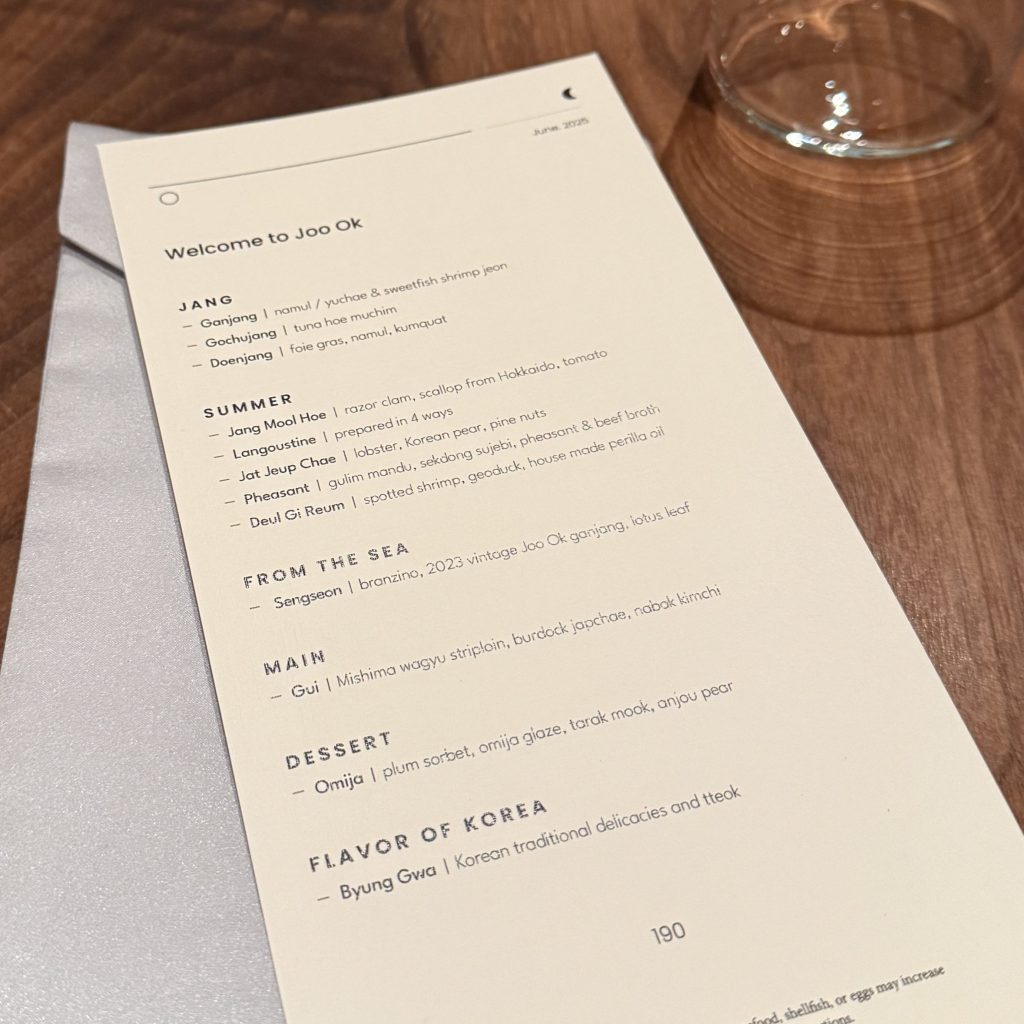
    Our anticipation continued as we discovered Joo Ok’s 10-course tasting menu, priced at $190 as of June 2025. More than just a list of dishes, this menu was a testament to Korean culinary traditions and seasonality, presented with exquisite care. I especially loved the elegant detail of the menu, enveloped in a beautiful Korean fabric, subtly hinting at the thoughtful culinary journey about to unfold. The main dining room, with its striking views of midtown Manhattan, served as the backdrop for this exceptional experience.

    Joo Ok’s tasting menu masterfully balances traditional Korean flavors with a modern fine-dining experience.

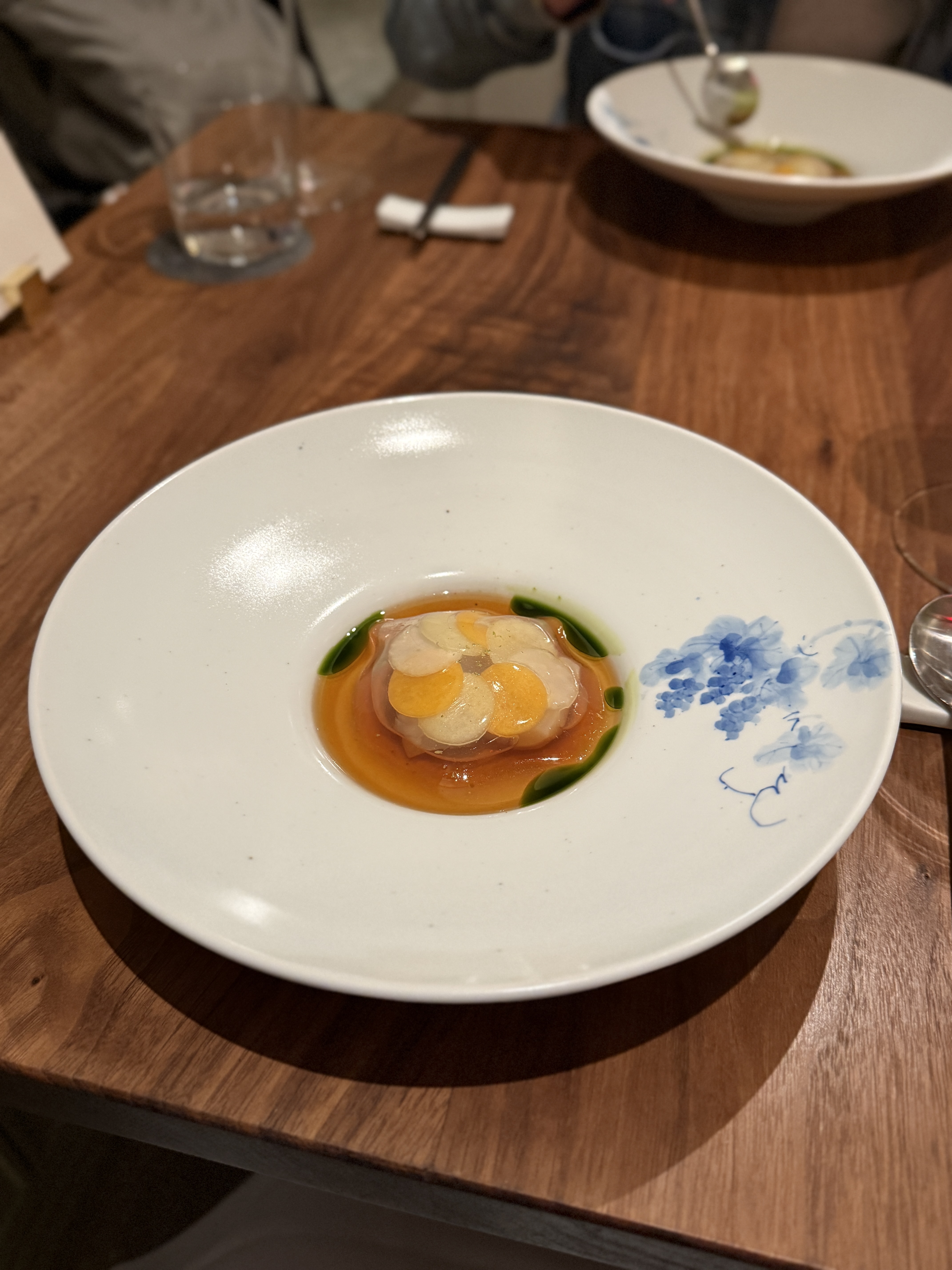
    The journey began with an intriguing trio of amuse-bouches, showcasing the fundamental Jangs – Ganjang, Gochujang,and Doenjang. While the dishes might not immediately reveal the presence of these traditional sauces, their profound depth and nuanced flavors become beautifully evident with every bite. Of all the exceptional courses that followed, I’ll never forget the initial taste of the namul & sweetfish shrimp jeon with Ganjang – a truly memorable first impression.

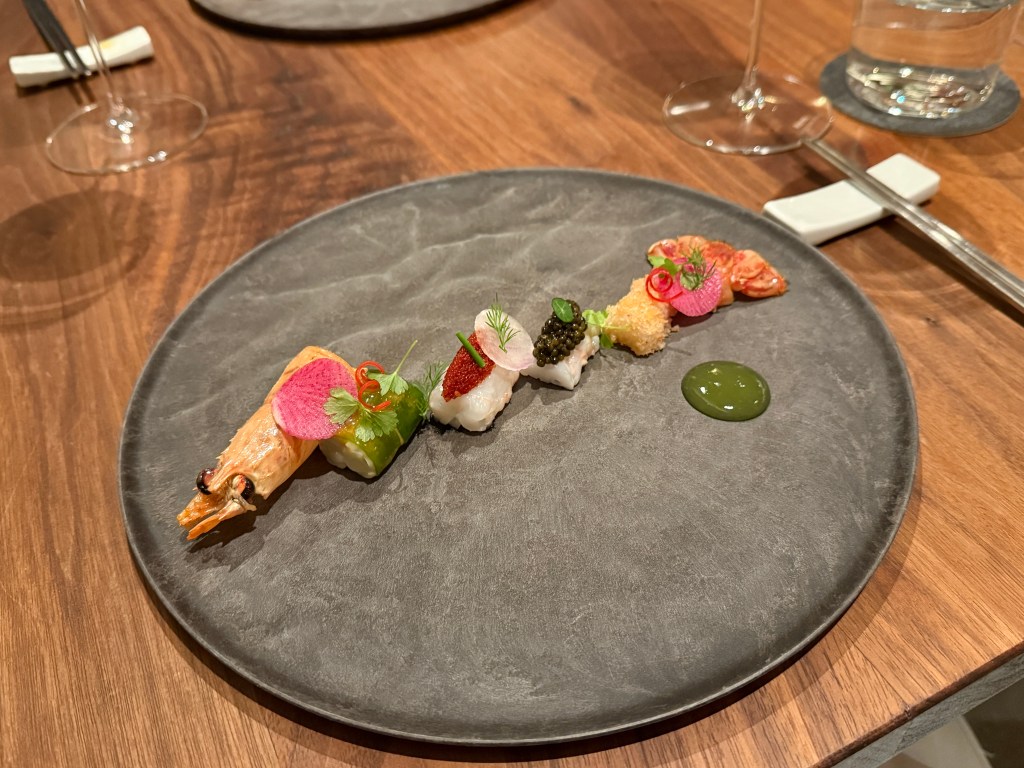
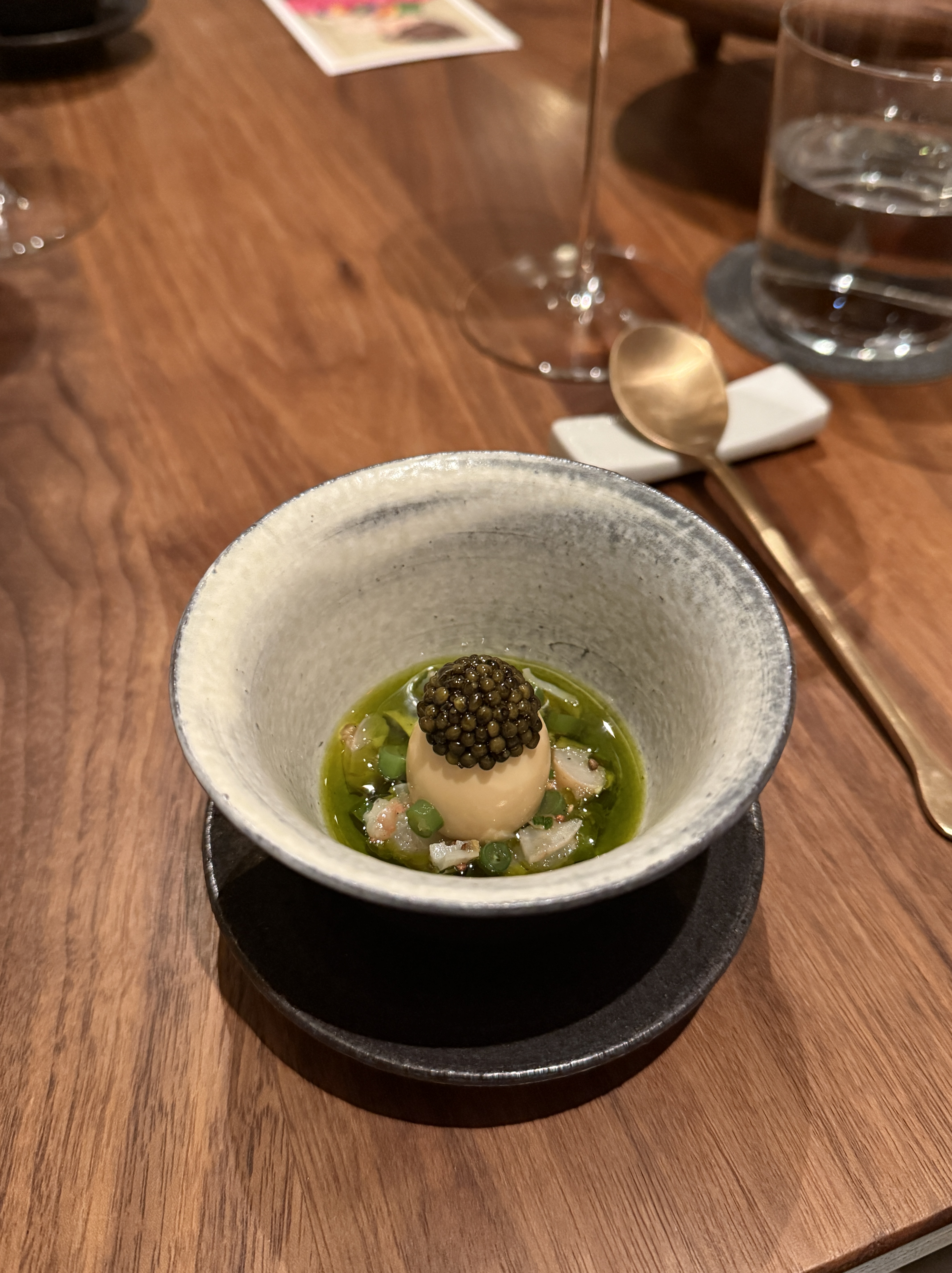
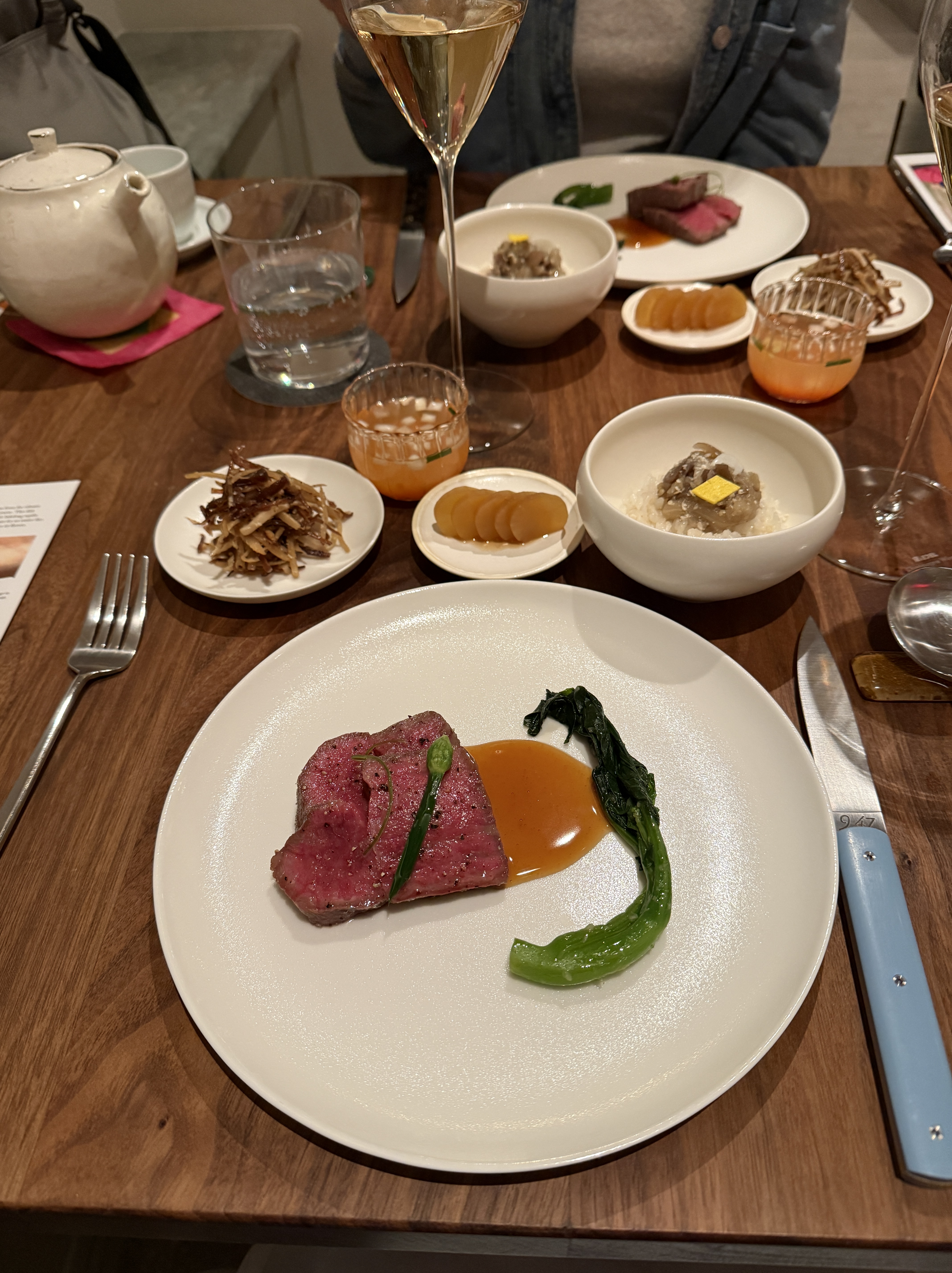
    Another standout, and perhaps my personal favorite, was the Deul Gi Reum (Perilla Oil) dish. True to Joo Ok’s commitment to housemade ingredients, the perilla oil was not only crafted in-house but also specially brought over from Korea. The elegant presentation involved a staff member bringing an oil kettle directly to our table, where they artfully poured the fragrant Deul Gi Reum over a harmonious combination of succulent shrimp, delicate geoduck, and luxurious caviar.

    • Jang Trio: Ganjang, Gochujang, Doenjang
    • Jang Mool Hoe
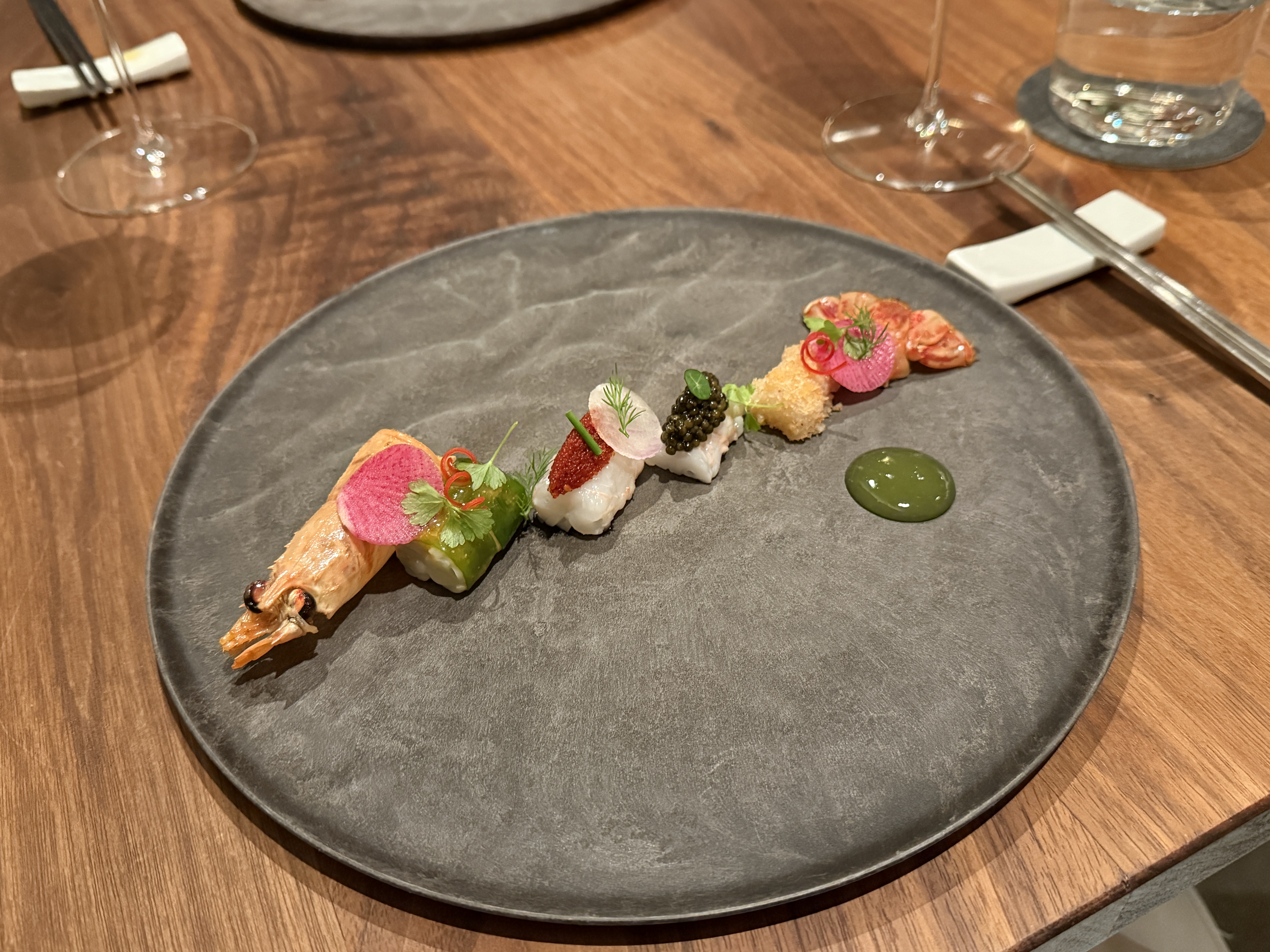
    • Langoustine
    • Jat Jeup Chae
    • Gulim mandu with Pheasant meat
    • Deul Gi Reum
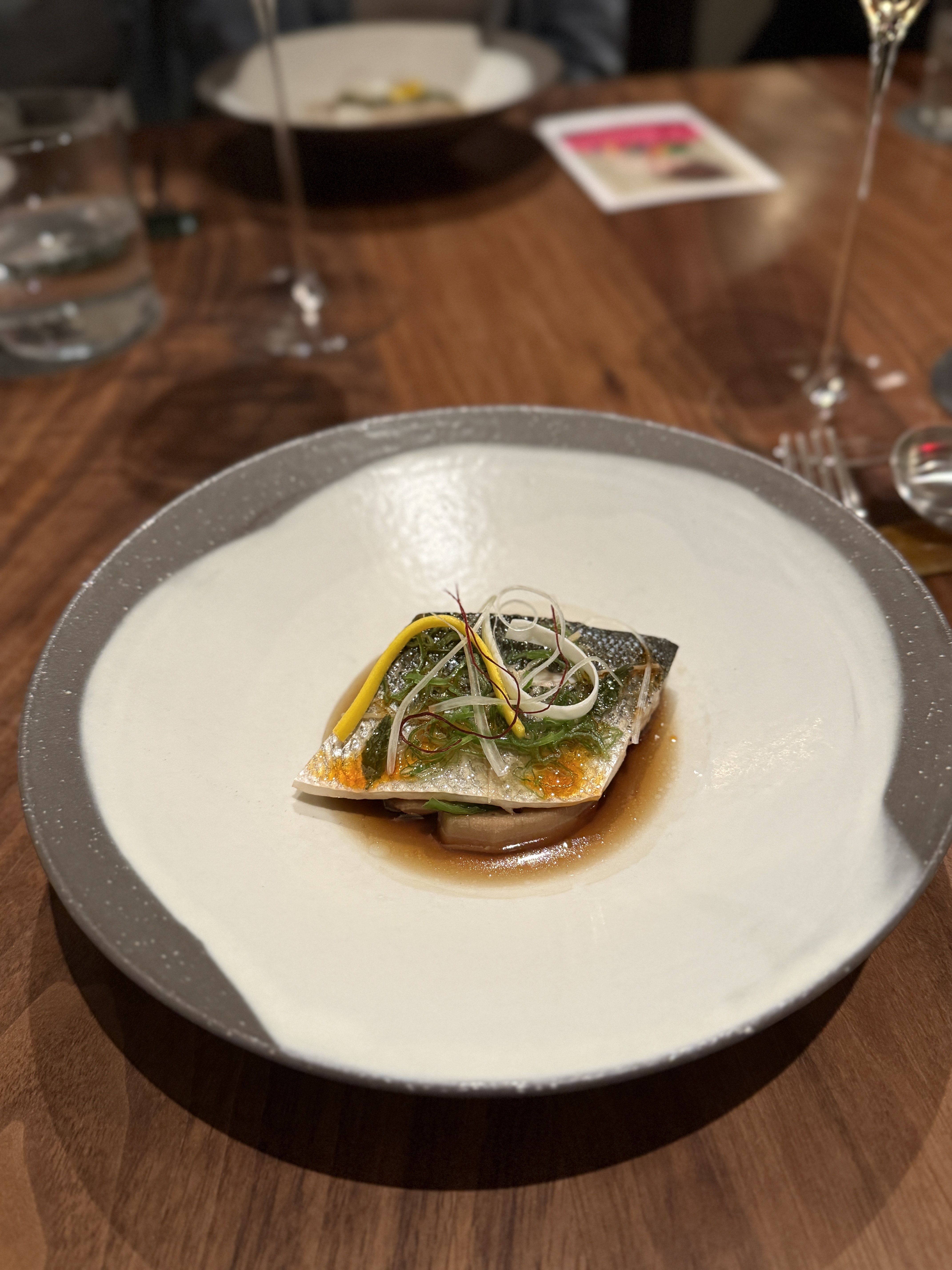
    • Sengseon Branzino
    • Wagyu Gui
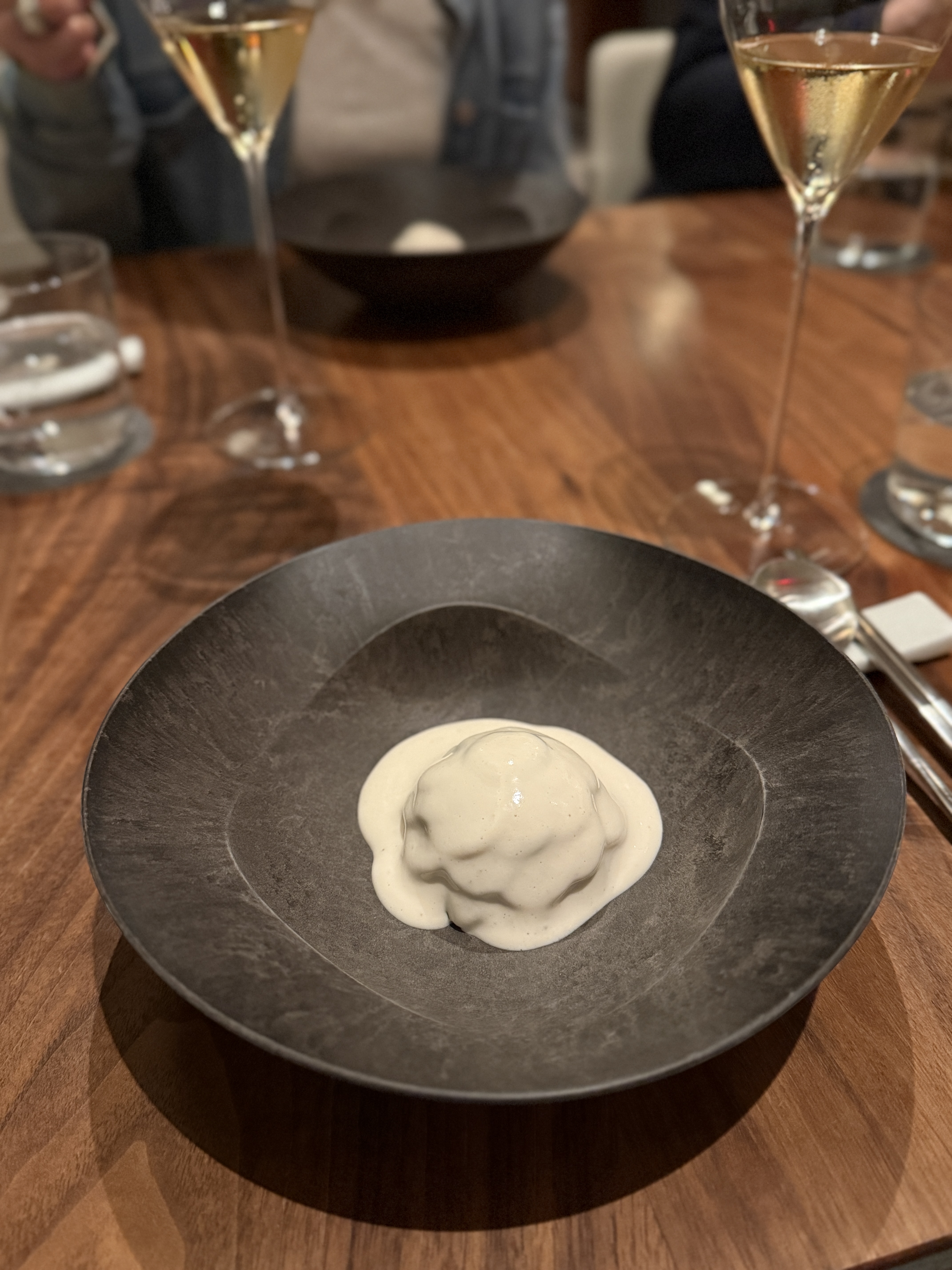
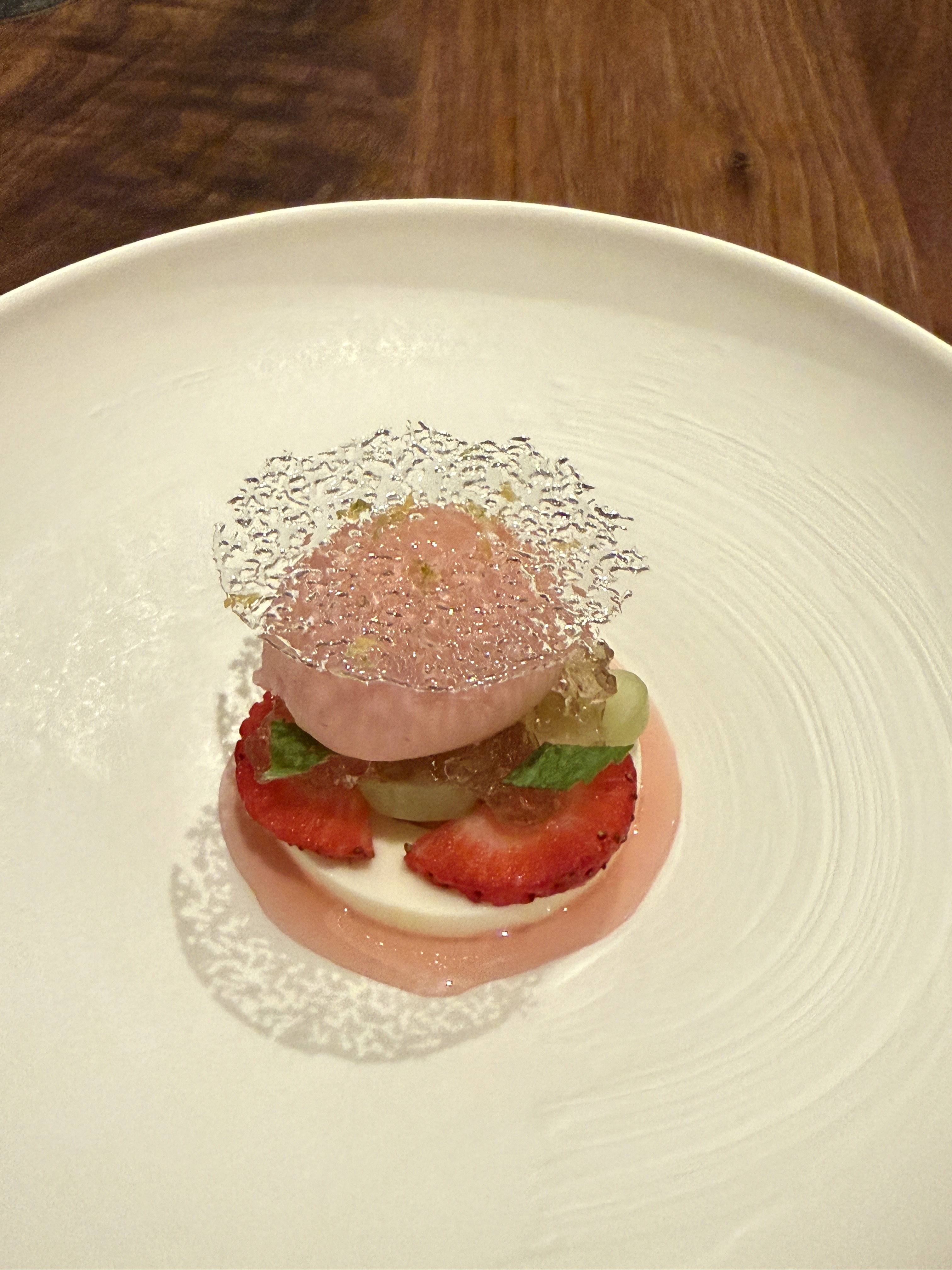
    • Sorbet Dessert
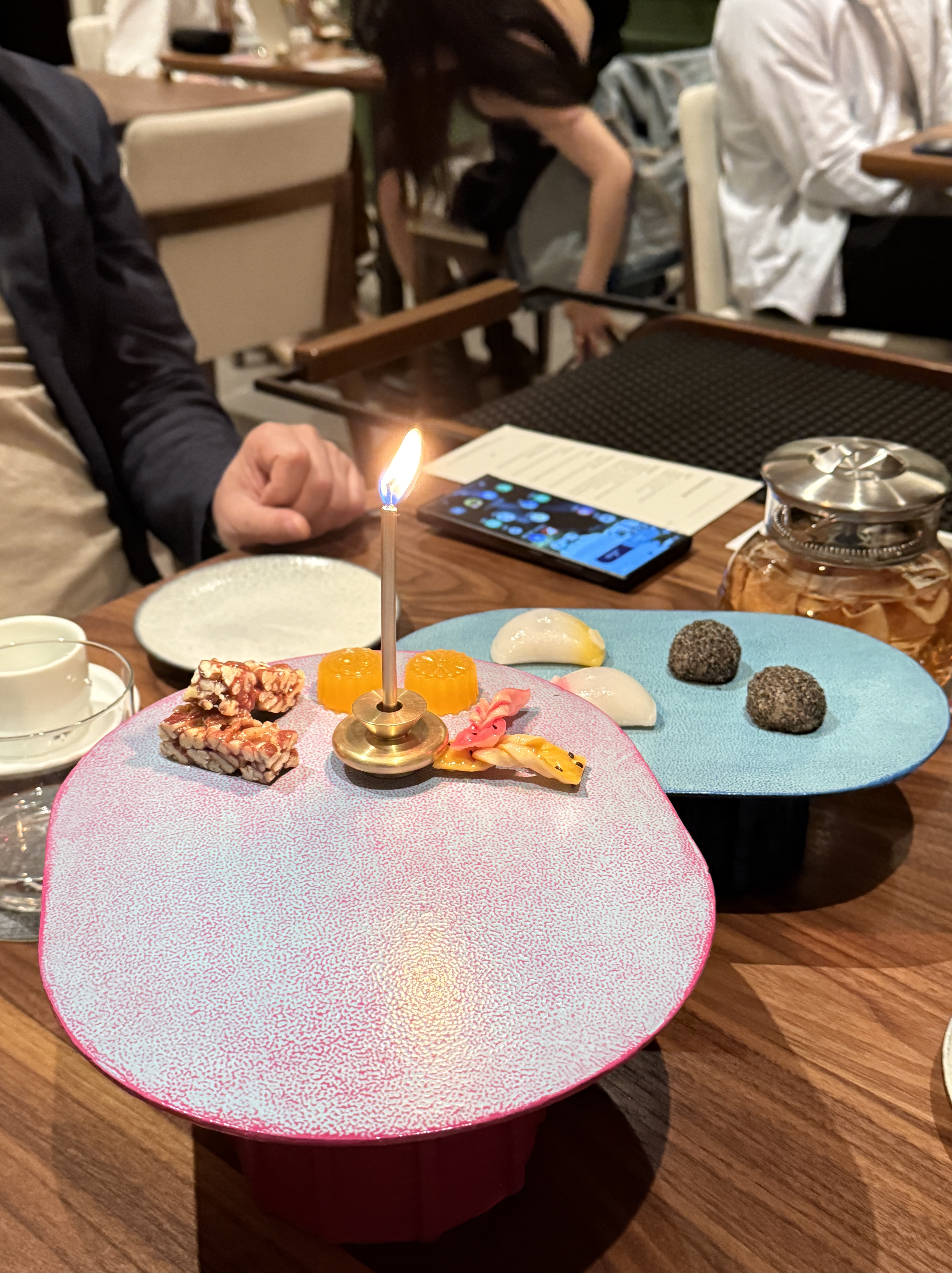
    • Byung Gwa
    Adapting to a New Home: Joo Ok’s Commitment to Quality

    As we savored the final dishes, our curiosity led us to inquire about the menu’s rotation, hoping for frequent visits to explore new creations. The staff explained that, despite already earning a prestigious Michelin star in their first year, Joo Ok in New York (which opened in September 2024) rotates its menu less frequently than anticipated. This deliberate approach allows them to consistently source the best local ingredients to perfectly capture authentic Korean tastes. Having successfully run the same restaurant in Seoul, Korea, they are diligently refining their processes and logistics to adapt to their new environment in New York, ensuring the highest quality in every dish.

    Wine & Beverage Program

    While we opted for a celebratory bottle of champagne rather than the offered 5 or 7-course wine pairing, the experience with their beverage program was superb. The sommelier, who came to New York with Chef Shin, provided an excellent recommendation within our preferred price range, serving us with impeccable attention. For those considering bringing their own, Joo Ok also offers corkage service at $70 per bottle, limited to two bottles per reservation.
    Pro-Tip: Given that the tasting menu leans heavily towards seafood over meat, I highly recommend selecting a beverage – whether from their list or your own bottle – that beautifully complements delicate seafood dishes.

    A Harmonious Blend of Heritage and Hard Work

    In conclusion, Joo Ok NYC truly delivers an ultimate Korean dining experience, masterfully weaving traditional Korean courses throughout its entire 10-course tasting menu. From the foundational Jangs to the thoughtful preparation of every dish, it’s clear that Chef Shin and his team are not just serving food, but telling a story of Korean culinary heritage.

    What makes Joo Ok particularly compelling is their evident dedication to localizing these traditions within the New York fine dining scene. Their commitment to sourcing the best local ingredients and diligently adapting their processes, as they once did in Seoul, speaks volumes about their pursuit of excellence. It’s this harmonious blend of deep-rooted tradition and incredible hard work in their new home that makes Joo Ok a truly unique and unforgettable destination in NYC’s vibrant Korean gastronomy.

    ℹ️ For more information: https://www.joo-ok.com
    🍽️ Reservation on Resy
    📍Get directions: 22 W 32nd St 16th flr, New York, NY 10001 (Entrance can be found on 32nd street, between Citi Bank and Hana Michi restaurant)

  • Summer Sips & Lakeside Trips: Brooklyn Cider House Fun!

    Who says apple cider is just for fall? Sure, it’s a harvest season classic. But, with its crisp, light flavor, it’s also the perfect summer sip for picnics and BBQ.

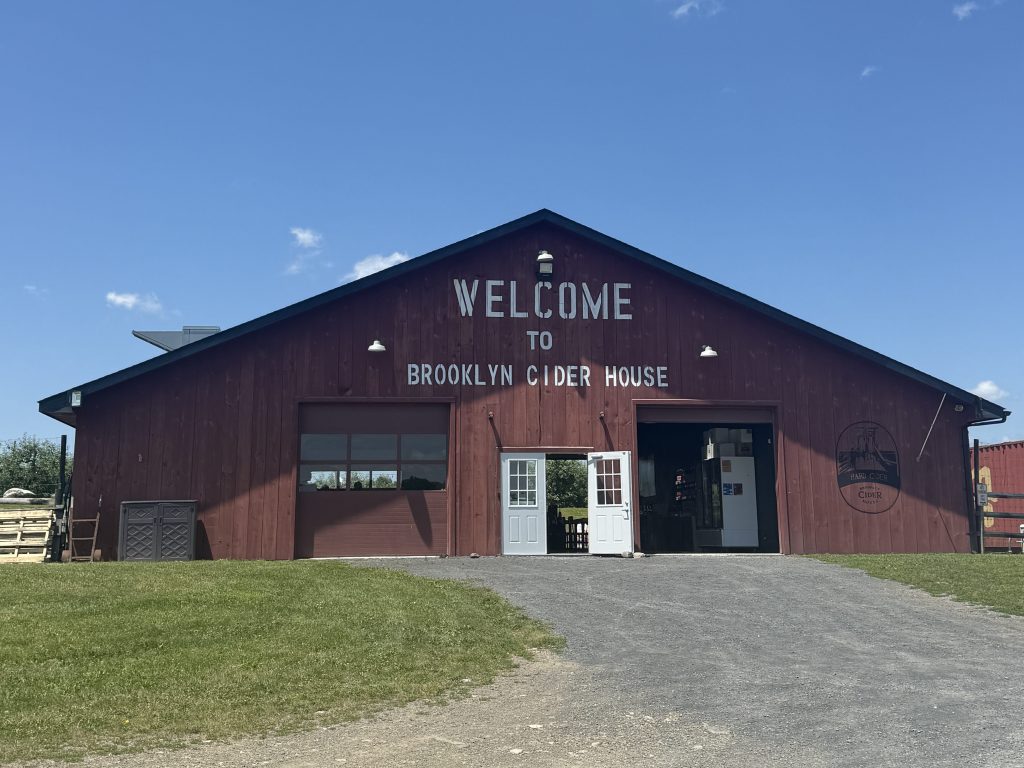
    And guess what? I found your ideal summer escape: Brooklyn Cider House in New Paltz, New York! Just 1.5 to 2 hours from NYC, this spot is a breath of fresh air. What makes it extra special? They grow their own heirloom apples and produce their delicious ciders right there on-site at Twin Star Orchards. Talk about farm-to-glass!

    While their tasting bar and retail store at the entrance are great, the real magic happens when you venture a little deeper. Beyond the bar, a short path leads you down to a tranquil small lake nestled right in the middle of their apple farm. Imagine this: a perfectly peaceful afternoon, wood-fired pizza, a juicy hamburger, and a refreshing cider in hand. It’s the ultimate chill-out zone.

    I ended up buying 6 bottles of their apple ciders and planning to go back for July 5th Pig Roast Party to celebrate July 4th weekend!


    So, are you ready to trade the city hustle for some lakeside cider sipping?

    ℹ️ For more information: https://www.brooklynciderhouse.com
    📍How to Get There: 155 N Ohioville Rd, New Paltz, NY 12561 (Google Maps) *Open Friday to Sunday

  • My Grocery Theme Park: Stew Leonard’s – More Than Just a Supermarket!

    A Deep Dive into the Fun, Fresh, and Family-Friendly Shopping Experience.

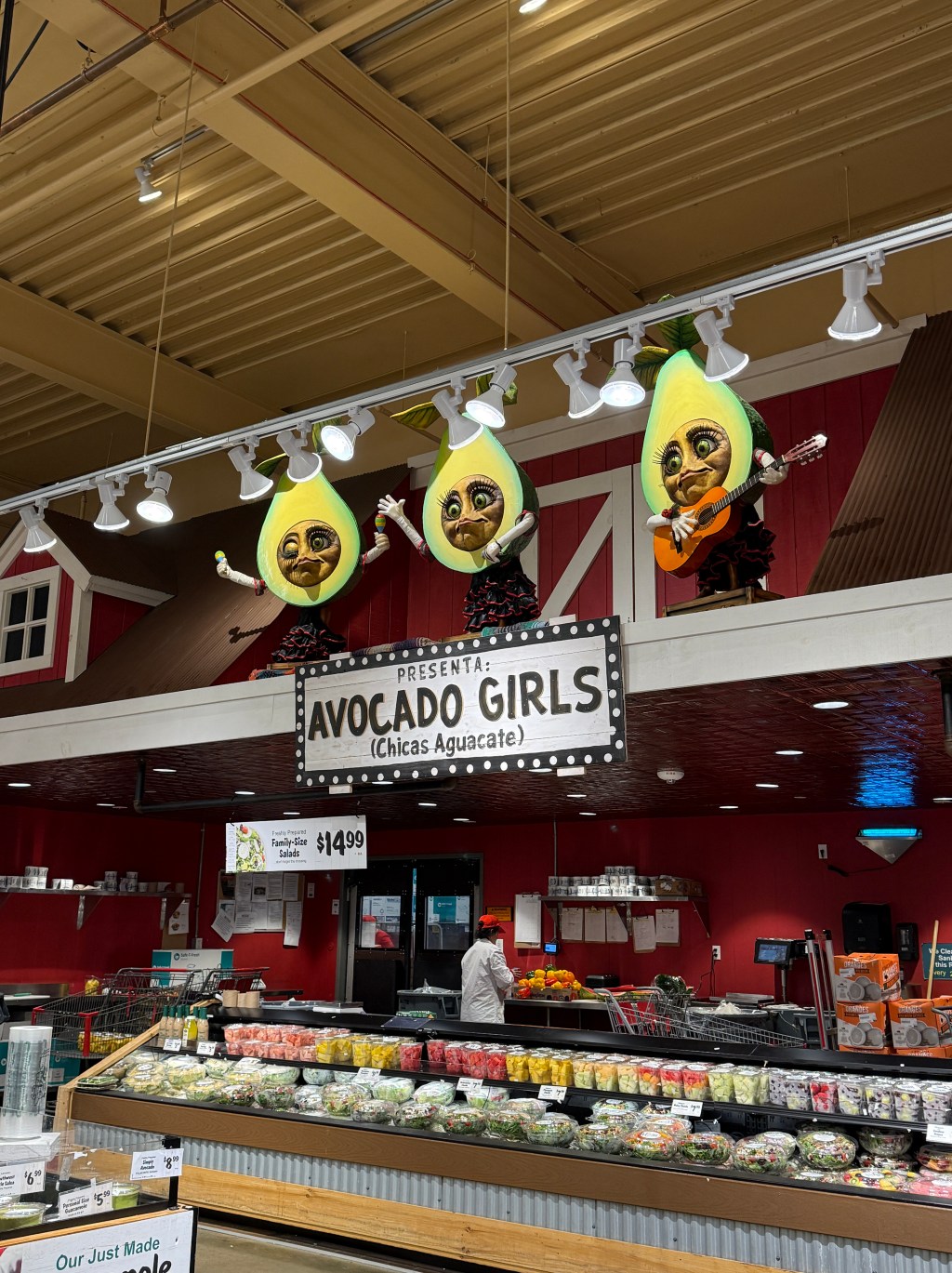
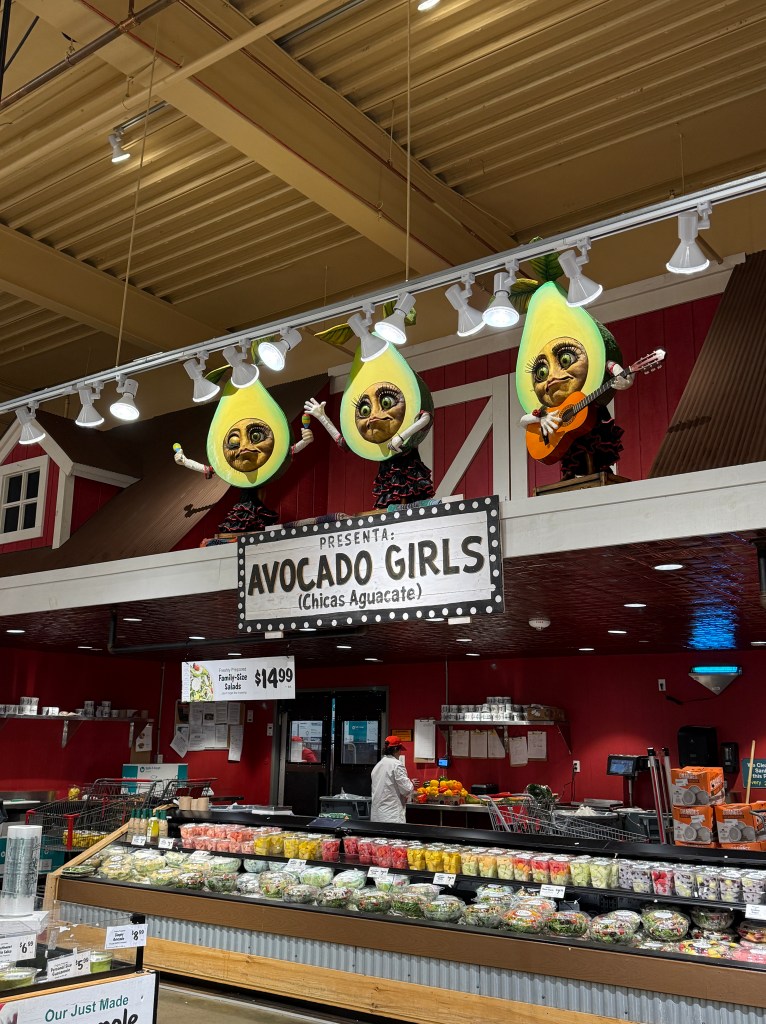
    We’re avocados, We’re avocados, We have a song to sing for you. 🎶

    Imagine this: Avocados singing a song, life-sized cows strolling down the aisles, and robots performing dances while you’re simply trying to buy groceries. Sounds wild, right? Well, that’s exactly the magic you’ll find at Stew Leonard’s, a giant grocery store I recently “discovered” in Paramus, New Jersey.

    Stew Leonard’s is more than just a supermarket; it’s a regional chain, primarily located in the tri-state area of Connecticut, New York, and New Jersey, and they only have 8 retail locations. However, they’ve perfected the art of making grocery shopping genuinely fun. They’re renowned for their unique, family-friendly shopping experiences and, most importantly, their incredibly fresh, high-quality food. Stew Leonard’s is particularly famous for its focus on local produce, proudly sourcing from over 100 local farms across Connecticut, New Jersey, The Hudson Valley, and Long Island. They truly prioritize fresh, farm-to-table options whenever they’re in season.

    What truly surprised and impressed me about Stew Leonard’s boils down to three core elements:

    1. Store Design and Displays: A Shopper’s Adventure

    Walking into Stew Leonard’s feels less like a grocery run and more like entering a bustling indoor market or even a mini-theme park – hence my “Grocery Theme Park” title!

    • The “Forced Path” Experience: Unlike conventional supermarkets where you can wander freely, Stew Leonard’s employs a clever “one-way” layout. This “forced path” guides shoppers through every department, ensuring you see all their offerings, from the bakery’s irresistible aromas to the fresh seafood counter. While it sounds restrictive, it actually makes the shopping journey incredibly efficient and ensures you don’t miss any of their unique products or daily specials. It transforms shopping into a discovery tour.
    • Interactive Entertainment: This is where the “theme park” really comes alive! Throughout the store, you’ll encounter animatronic farm animals (like those singing avocados and strolling cows!) that perform songs and tell stories, delighting kids and adults alike. This constant entertainment makes a mundane chore an exciting outing, especially for families.
    • Sensory Engagement: From the moment you step in, your senses are engaged. The smell of freshly baked bread wafts from the in-store bakery, samples are offered generously (think warm mini-muffins!), and the vibrant displays of fresh produce are truly artful. This multisensory approach creates a memorable and enjoyable atmosphere that encourages impulse purchases and a longer, happier visit.

    2. Technology & Loyalty Programs: Smart Shopping Perks

    Stew Leonard’s isn’t just about old-school charm; they cleverly integrate modern technology and smart loyalty programs to enhance the shopping experience and reward their loyal customers.

    • Customer-Centric Technology: While not overtly flashy, their tech focuses on efficiency and convenience. This includes user-friendly self-checkout options, streamlined payment systems, and clear digital signage providing pricing and product information. The emphasis is on making transactions quick and easy, so you can spend more time enjoying the unique store environment.
    • “Stew’s Faves” Loyalty Program: Their loyalty program, often dubbed “Stew’s Faves” and managed through their mobile app, goes beyond typical points systems. Members earn points on their purchases, which can be redeemed for tangible, delightful rewards. For instance, you can often trade in your points for beloved freebies like a soft-serve ice cream cone or a cup of coffee. Honestly, grabbing that free soft-serve after a fun shop is my absolute favorite part! Members also receive personalized discounts, exclusive app-only offers, and early access to sales and special events. This data-driven approach means the rewards feel genuinely relevant to individual shoppers, fostering a stronger connection and encouraging repeat visits. It’s a smart way to make customers feel truly valued.
    • Digital Engagement: Beyond in-store tech, Stew Leonard’s often leverages its online presence for digital flyers, recipes, and community updates, keeping customers engaged even when they’re not physically in the store. This seamless blend of physical and digital makes the shopping journey extend beyond the four walls of the supermarket.
    3. Great Quality of Their Private Brand Items: Trust in the Label
    One of Stew Leonard’s standout features is the exceptional quality and value of their own-brand products. This isn’t just generic branding; it’s a testament to their commitment to freshness and taste.

    • Commitment to Freshness: Stew Leonard’s built its reputation on dairy, and this commitment extends to all their private label items. You’ll find their own brand on everything from milk (sourced directly from their own farms or local partners) to baked goods, prepared foods, and specialty items. The focus is always on freshness, often made in-store or by trusted local suppliers.
    • Unique and Delicious Selection: Their private label isn’t just about staples; it includes a wide array of unique and often gourmet-quality products that you won’t find elsewhere. Think specialty cheeses, delicious ice creams, homemade sauces, and prepared meals that taste genuinely fresh. This unique selection encourages customers to try “Stew’s” brand and trust its quality.
    • Value Proposition: Despite the high quality, their private brand items often offer excellent value compared to national brands. This combination of premium quality at competitive prices builds strong customer loyalty and trust in the Stew Leonard’s name, making their own brand a compelling reason to shop there.

    From animatronic singing produce to farm-fresh delights and personalized loyalty perks, Stew Leonard’s truly redefines the grocery shopping experience. It’s a place where families can have fun, discover new favorite foods, and leave with a smile. If you’re in the Tri-state area, I highly recommend you stop by and experience this unique grocery “theme park” for yourself. It’s truly more than just a supermarket—it’s an adventure!